
In 2026, a fully-loaded Philippine call center agent costs roughly $8–$18 per hour, versus $25–$45 in the US — a 40–70% saving. But the hourly rate is only 70–85% of true spend: setup fees, QA, technology, and management add 15–25% on top, and “all-in” quotes can run 30–50% above “base” quotes for the same work. Total cost of ownership, not headline rate, is what to compare.
Key Takeaways
- Fully-loaded: ~$8–$18/hour. Against $25–$45 in the US — a 40–70% labor saving, the core reason the Philippines remains cost-competitive.
- The rate is only part of the cost. Hourly rate is typically 70–85% of true spend; setup, QA, technology, and integration add 15–25% on top.
- “All-in” vs “base” is the trap. A base rate covers only direct labor; an all-in rate includes everything. The difference can be 30–50% — always compare like for like.
- Attrition is a hidden cost. Philippine call center turnover runs ~30–40% annually, inflating the effective cost through recruitment and retraining.
- Hub choice moves the budget. Metro Manila runs 10–20% above provincial hubs like Cebu and Davao — a material delta at scale.
What Does a Philippine Call Center Agent Actually Cost in 2026?
Roughly $8–$18 per hour fully-loaded — about 40–70% less than the $25–$45 fully-loaded cost of a US onshore agent.
On a fully-loaded basis — salary, benefits, facilities, technology, and management included — a Philippine call center agent costs about $8–$18 per hour in 2026, compared with roughly $25–$45 for a US onshore agent and $12–$20 nearshore. In team terms, a 20-agent voice team runs roughly $19,000–$45,000 per month fully-loaded in the Philippines, versus $90,000–$150,000 in a tier-1 US metro. Underlying agent salaries are modest — entry-level roughly ₱18,000–₱20,000/month (about $310–$345), rising to $430–$520+ for senior or specialized roles — with a 15–30% night-shift premium common for US-hours coverage.
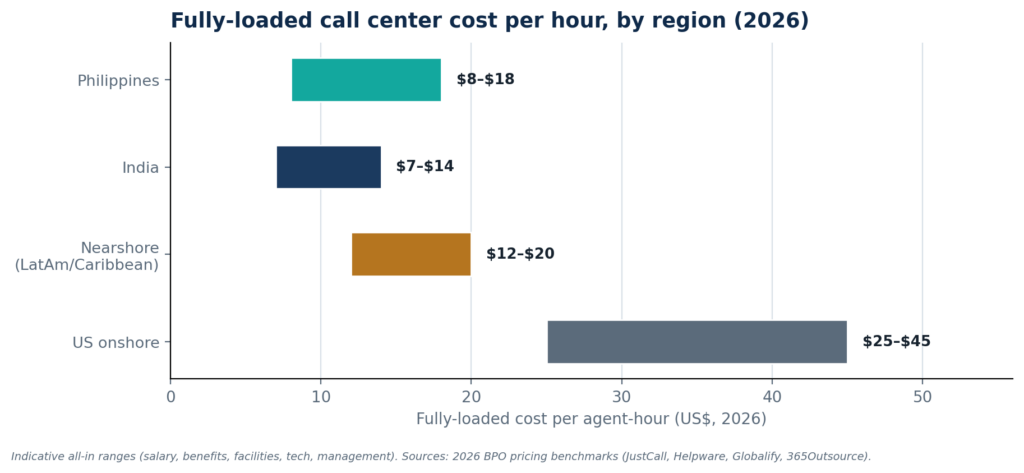
Figure 1 — Indicative 2026 all-in ranges.
One nuance worth noting: the gap to nearshore is narrower than older decks suggest, because the fee stack is similar across regions and Philippine wages grew about 11% in 2025. The Philippines’ edge for English voice work is therefore quality and accent neutrality as much as headline price.
Why Is the Hourly Rate Misleading — What Is the True Cost of Ownership?
Because the quoted rate is only 70–85% of true spend; setup, QA, technology, and management add 15–25%, and “base” quotes can sit 30–50% below “all-in” quotes for the same work.
The most expensive mistake in call center procurement is comparing headline hourly rates. The rate typically represents only 70–85% of true outsourcing spend; the rest is one-time setup ($1,000–$5,000, sometimes far more), dedicated QA ($500–$2,500/month), technology and CRM integration ($2,000–$15,000), facilities ($2,000–$5,000 per seat annually), and ongoing management. Worse, a “base” quote that covers only direct labor can sit 30–50% below an “all-in” quote that includes everything — so two vendors quoting different numbers may actually be offering identical value. The only sound comparison is total cost of ownership, on a like-for-like all-in basis.
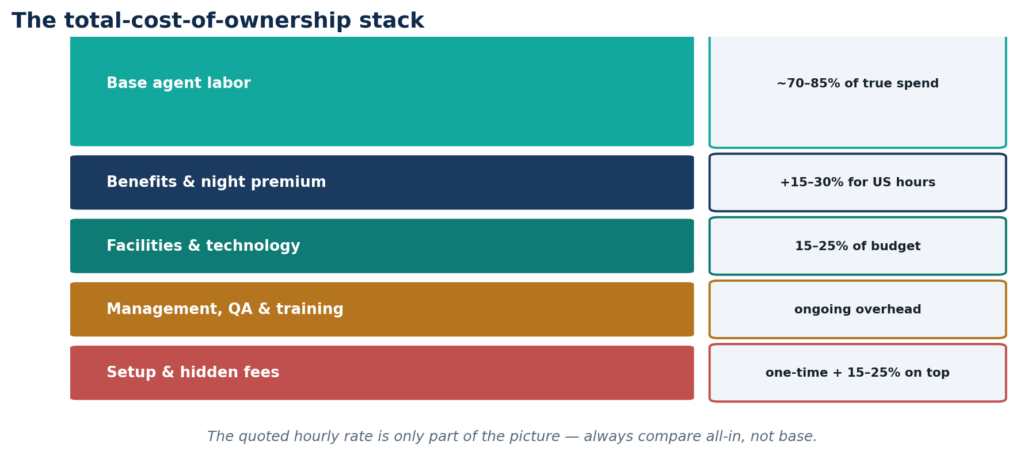
Figure 2 — What sits beneath the hourly rate — always compare all-in, never base.
“I have watched buyers pick the vendor with the lowest hourly rate and end up paying more than the one they rejected, because the cheap rate was a base rate and everything else was billed on top. Ask one question on every quote: is this all-in or base? If a provider can’t answer cleanly, that itself tells you something.” John Maczynski — CEO, PITON-Global; former Global EVP of the world’s largest BPO provider
What Hidden Costs Should You Budget For?
Attrition-driven recruitment and retraining, night-shift premiums for US hours, technology and integration, and the hub premium for Metro Manila over provincial cities.
Beyond the visible fee stack, three costs quietly move the budget. Attrition is the biggest: Philippine call center turnover runs about 30–40% annually (industry-wide turnover is higher still), and every departure carries recruitment and retraining cost that inflates the effective rate — which is why retention-focused providers are worth a premium. Night-shift premiums of 15–30% apply when covering US time zones. And the hub premium is real: Metro Manila runs 10–20% above provincial cities like Cebu and Davao, so a 50-agent program based outside Manila can save several hundred thousand dollars a year without losing English fluency or US-hours coverage.
| Cost Factor | Typical Range | Note |
| Fully-loaded rate | $8–$18 / hour | vs $25–$45 US onshore |
| Hidden fees on top | +15–25% | setup, QA, integration |
| All-in vs base gap | 30–50% | compare like for like |
| Night-shift premium | +15–30% | for US-hours coverage |
| Manila vs provincial | +10–20% | hub selection matters |
| Annual attrition | ~30–40% | drives re-hiring cost |
“People obsess over the per-hour number and ignore attrition, which is the cost that actually hurts. A team that turns over forty percent a year is re-recruiting and re-training constantly, and you pay for all of it in quality dips and ramp costs. We steer clients toward the providers who retain people — it is almost always cheaper in the end.” Ralf Ellspermann — CSO, PITON-Global; 25-year Philippine BPO veteran
Frequently Asked Questions
How Much Does a Philippine Call Center Cost Per Hour?
Roughly $8–$18 per hour fully-loaded in 2026 (salary, benefits, facilities, technology, management), versus $25–$45 in the US — a 40–70% labor saving.
What Is the Difference Between an “All-In” and a “Base” Rate?
A base rate covers only the agent’s direct labor; an all-in rate includes benefits, facilities, technology, management, and QA. The difference can be 30–50%, so always compare quotes on the same basis.
What Hidden Costs Come with Outsourcing to the Philippines?
Setup fees, dedicated QA, technology and CRM integration, night-shift premiums (15–30% for US hours), and attrition-driven recruitment and retraining (turnover runs ~30–40%). The hourly rate is only 70–85% of true spend.
Is Metro Manila More Expensive Than Other Philippine Cities?
Yes — Metro Manila runs about 10–20% higher than provincial hubs like Cebu and Davao, a material saving at team scale without losing English fluency or US-hours coverage.
Related in This Series
Why Are Call Centers in the Philippines the Global CX Standard — and Is AI Changing That?
The full picture and industry context.
What Call Center Services Can You Outsource to the Philippines?
The full service taxonomy, voice to omnichannel.
How Does Call Center Outsourcing to the Philippines Work?
Engagement models: managed, dedicated, hybrid, BOT, GCC.
Why Is Call Center Pricing Moving From Per-Hour to Outcome-Based?
How the commercial model is changing in the AI era.
How Do Philippine Call Centers Deliver CX Quality?
The metrics that govern quality, and the voice edge.
Is AI Replacing Call Centers in the Philippines?
The AI-human division of labor, in depth.
How Do You Choose the Right Call Center Partner?
The vendor scorecard and the quality-tier gap.
Where Should You Locate: Manila, Cebu & Beyond?
The city-tiering framework for hub selection.
About PITON-Global
PITON-Global is a vendor-neutral outsourcing advisory with 25+ years in the Philippine market. We help companies model true total cost of ownership — not just headline rates — and source partners whose pricing is transparent and all-in, free of charge and with no obligation.