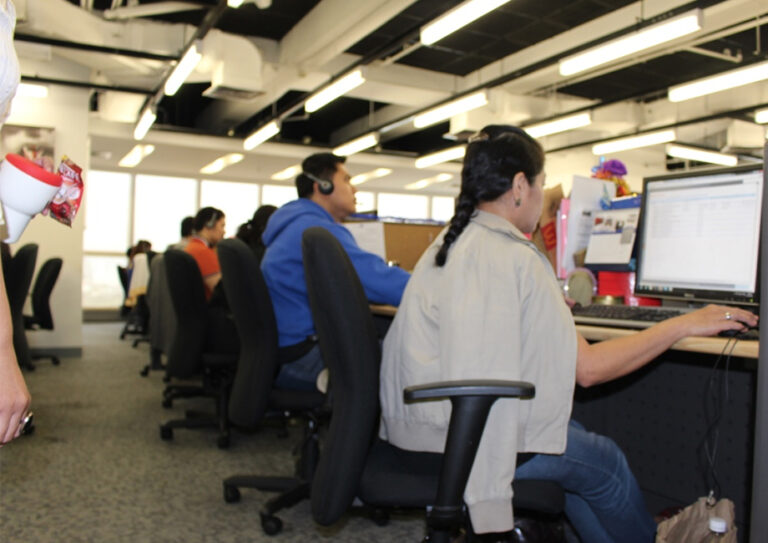

The 30-Second Executive Briefing
- The 2026 Shift: In 2026, the “Call Center” has been replaced by the Guest Intelligence Hub. For the modern “Liquid Guest,” support must be instantaneous and invisible, spanning Voice, WhatsApp, WeChat, and Social DMs without losing context—a standard now common across offshore guest service for hotel operators and travel sellers.
- The Multilingual Edge: Manila hubs now provide native-level support in 20+ languages (English, Spanish, Mandarin, Japanese, etc.) using a “Human-AI Hybrid” model, allowing global hotel groups to centralize support for thousands of properties in a single location.
- Operational Impact: By unifying front-office CX (reservations, concierge) with back-office coordination (billing, housekeeping dispatch), Manila-based pods achieve high First Contact Resolution (FCR), drastically reducing friction.
- Financial Advantage: Moving to a 24/7 offshore omnichannel model delivers a steep reduction in cost-per-interaction while simultaneously lifting CSAT scores through faster, more empathetic responses.
Executive Summary
In the hospitality industry of 2026, service is no longer confined to the four walls of a hotel. It begins the moment a traveler searches on TikTok and ends weeks after their stay via a personalized re-engagement message. Hospitality 24/7 Multilingual & Omnichannel Contact Center Outsourcing in the Philippines has emerged as the global standard for managing this expanded guest lifecycle.
The Philippines differentiates itself in 2026 by offering a unique synergy: Agentic AI for speed and Filipino Empathy for complexity. While AI handles the bulk of transactional queries (e.g., booking modifications, Wi-Fi passwords), high-EQ Filipino specialists manage the “Empathy-Critical” interactions that directly impact TripAdvisor scores and loyalty. This article outlines how global hospitality brands are leveraging Manila and Cebu to build a resilient, scalable, and “always-on” service engine that bridges the gap between global scale and local warmth.
The 2026 Unified Service Spectrum
The modern offshore Hospitality Hub operates as a cross-functional unit, blending front-office guest relations with technical back-office support.
1. 24/7 Multilingual Guest Relations
In 2026, “English-only” is a liability. Manila hubs act as a global linguistic bridge.
- Native-Fluent Tiering: Manila pods provide native or near-native support in major languages, ensuring guests from Madrid, Tokyo, or Paris feel understood in their own tongue—the same tiering behind 24/7 multilingual airline support.
- Neural Translation Support: For niche languages, agents utilize real-time AI translation overlays, allowing one hub to cover 45+ countries with consistent brand tone.
2. Omnichannel Orchestration
The guest chooses the channel; the hub ensures the context.
- Social & Messaging: Managing high-volume interactions on WhatsApp, Instagram, and TikTok, where 2026 travelers increasingly prefer to engage.
- Voice (Empathy Layer): Reserved for high-stakes resolutions, luxury VIP requests, and complex travel disruptions—the territory of flight delay and IRROPS management—where a human voice provides the ultimate brand “Safety Net.”
3. Front-to-Back Office Integration
Eliminating the “Wait for the Property” delay.
- Digital Concierge: Manila agents coordinate with on-property teams for room service, late check-outs, and local tour bookings in real-time.
- Revenue & Finance Support: Handling chargeback disputes, commission reconciliations, and group booking contracts in the same pod that manages the initial inquiry, then handing warm leads to hotel sales and lead-generation pods.
The ROI of Intelligence: The Philippines Advantage
By 2026, the “Intelligence Arbitrage” of the Philippines is the primary driver of hospitality margins.
Table 1: 2026 Hospitality Contact Center Benchmarks
| Metric | Onshore / In-House | PH Guest Intelligence Hub (2026) | Strategic Gain |
| Availability | Usually 8–12 hrs/day | 24/7/365 | Continuous Revenue Capture |
| Language Reach | 1–2 Languages | 20+ Languages | True Global Scale |
| Response Time (Chat) | 5 – 10 Minutes | <30 Seconds | Lower Cart Abandonment |
| Cost Per Interaction | $15.00 – $25.00 | $4.00 – $7.00 | ~70% Savings |
| CSAT Score (Avg) | 78% | 92% (AI-Augmented) | 14% Loyalty Uplift |
The PITON-Global Perspective
John Maczynski, CEO of PITON-Global, on “The Empathy Reset”:
“Travelers have zero patience for ‘please hold.’ If your support isn’t omnichannel and multilingual, you’re effectively telling half the world you don’t want their business. Our Philippine pods provide the ‘Contextual Glue’ for global hospitality. You aren’t just getting an agent—you’re getting a Guest Advocate who can resolve a billing issue in Milan and book a spa treatment in Maui in the same session. This is how you reclaim your margins while making your guests feel like they’re the only person in the world.”
The “Hospitality Hub” Tech Stack
The 2026 Manila model utilizes a “Cognitive Service Fabric”:
- Agentic AI Co-Pilots: Real-time AI that “whispers” property-specific policies, local weather, and guest history into the agent’s ear during a call.
- Sentiment Heat-Mapping: Management sees a live emotional dashboard of the entire guest pool. If a flight delay is affecting 50 guests, the hub proactively reaches out to them before they even land.
- Unified Guest View: Instant access to the PMS (Property Management System) and CRM, ensuring the agent knows the guest’s “Propensity to Spend” and past service friction.
Performance FAQs (2026 Edition)
Q: Can offshore teams handle “Smart Hotel” tech?
A: Yes. Manila pods are trained to manage keyless entry resets, IoT room troubleshooting, and app-based check-in issues, acting as the “Remote Front Desk” for modern assets.
Q: How do you maintain brand standards across 20 languages?
A: We use AI-Driven Quality Assurance (QA). Every interaction is analyzed for “Brand Tone Compliance,” sentiment, and accuracy, regardless of the language being spoken.
Q: Is guest data secure in an omnichannel environment?
A: We operate under PCI-DSS 4.0 and GDPR compliance. Guest data is tokenized, meaning agents in Manila can process payments and modify bookings without ever seeing unmasked credit card or identity data.
The Roadmap to 2026 Hospitality Excellence
- Omnichannel Audit: Identify where guests are reaching out and where the conversation “breaks” (e.g., social to email).
- Multilingual Pilot: Deploy a 24/7 offshore pod to handle “After-Hours” and non-English inquiries.
- Front-to-Back Merge: Integrate your administrative back-office with your guest-facing CX to eliminate resolution lag.
- AI Orchestration: Use the data from your offshore hub to train Agentic AI to handle the routine share of guest interactions, leaving the complex “Hero Moments” to your Filipino specialists.