
The 30-Second Executive Briefing
- The 2026 Shift: The back-office has evolved from a “hidden cost” to a Revenue Recovery Unit, and it now sits beside the guest and disruption desks hotels and airlines outsource. In 2026, Manila hubs provide the “Digital Engine Room” that synchronizes fragmented data across PMS, POS, and ERP systems in real-time.
- The Precision Advantage: Manila-based “Ops Pods” use Agentic AI to handle the “Digital Tax” of hospitality—performing automated night audits, commission reconciliations, and vendor compliance checks to a near-zero error standard.
- Operational Impact: Moving administrative heavy-lifting to an offshore pod allows property-level leadership to exit the “Spreadsheet Trap” and refocus on on-site staff mentorship and guest-facing service standards.
- Financial Advantage: Transitioning back-office functions offshore delivers a substantial reduction in administrative OpEx, effectively neutralizing the impact of rising on-site labor costs and global inflation.
Executive Summary
In the hospitality industry of 2026, operational excellence is no longer about how many staff you have on the floor; it is about the speed and accuracy of the data flowing behind the scenes. As hotels adopt increasingly complex tech stacks—integrating everything from IoT energy sensors to AI-driven dynamic pricing—the “Administrative Load” has reached a breaking point. Hospitality Back-Office outsourcing in the Philippines has emerged as the strategic solution to this operational congestion.
By delegating high-volume, high-precision tasks to Manila-based specialists, global hospitality brands ensure that their “Digital Twin” is always in sync with physical reality. These offshore hubs specialize in the “Quiet Success” of a hotel stay: ensuring the night audit is flawless, vendors are paid on time, OTA commissions are audited for leakage, and housekeeping schedules are optimized by predictive demand. This article explores how the 2026 Manila model weaponizes back-office data to protect margins and provide a foundation for scalable growth.
The 2026 Back-Office Spectrum: The “Digital Engine Room”
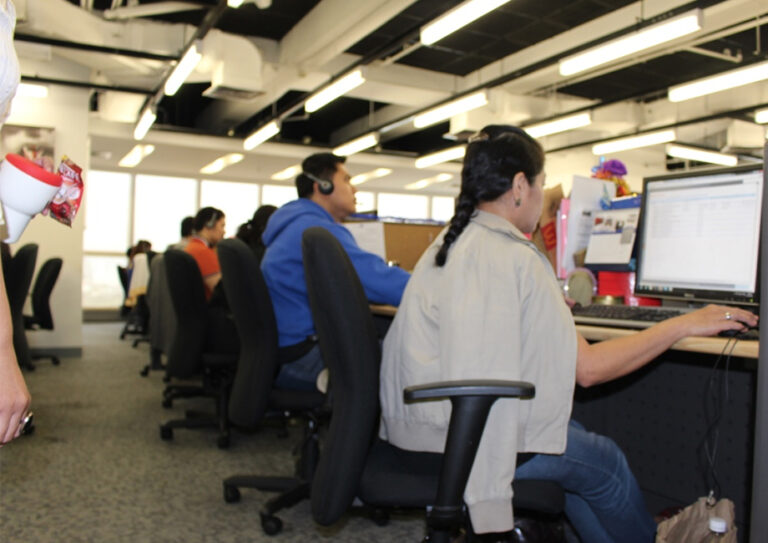
Offshore back-office pods provide a 24/7 “silent shift” that ensures the property is ready for the first guest arrival every morning.
1. AI-Augmented Night Audits & Reconciliation
The traditional night audit is a grueling, manual process prone to human error. In 2026, Manila pods have industrialized this function.
- Automated Balancing: Agents oversee AI bots that reconcile daily room revenue, F&B outlets, and ancillary charges across multiple POS and PMS platforms.
- Exception Management: When the AI detects a discrepancy (e.g., a “ghost” room charge or a tax miscalculation), the Manila-based specialist intervenes to resolve the error before the morning reports hit the GM’s desk.
2. Procurement & Vendor Relationship Management (VRM)
In a world of fluctuating supply chains, managing vendors is a full-time analytical role.
- Compliance Auditing: Ensuring every vendor meets the hotel’s 2026 ESG (Environmental, Social, and Governance) and insurance requirements.
- Invoice-to-Pay Automation: The offshore team manages the entire AP (Accounts Payable) lifecycle—verifying three-way matches between purchase orders, receiving logs, and invoices to prevent “leaky” overpayments, the same discipline laid out in our guide to centralizing hotel ledgers.
3. Housekeeping & Maintenance Coordination
The back-office now plays a direct role in room readiness.
- Predictive Scheduling: Using demand signals (flight arrivals, group booking status), Manila pods adjust housekeeping labor allocations in real-time, ensuring “VIP” rooms are prioritized without increasing overtime costs.
- IoT Maintenance Triaging: Monitoring smart-building alerts. If an HVAC unit in a vacant room shows a pre-failure vibration pattern, the back-office pod automatically generates a preventative maintenance ticket.
The ROI of Precision: The Philippines Advantage
By 2026, the back-office is where the “Margin War” is won or lost.
Table 1: 2026 Hospitality Back-Office Cost & Accuracy Benchmarks
| Functional Area | Onshore (US/EU/AU) | Philippines Ops Pod (2026) | Efficiency Gain |
| Night Audit Accuracy | 94.5% | 99.9% (AI-Verified) | Eliminated Write-offs |
| Commission Leakage | 5–8% (Estimated) | <0.5% (Daily Audits) | 7% Revenue Recovery |
| Invoice Processing Cost | $12.00 – $18.00 | $3.50 – $5.00 | ~72% Cost Reduction |
| FTE Hourly Rate (Burdened) | $40 – $60 | $12 – $16 | 65%+ OpEx Savings |
The PITON-Global Perspective
John Maczynski, CEO of PITON-Global, on “Operational Resilience”:
“In 2026, the most expensive thing in a hotel is ‘Bad Data.’ If your night audit is wrong or your OTA commissions aren’t being audited, you are literally throwing money away. We’ve turned the Philippine back-office from a ‘data entry’ center into a Revenue Recovery Unit. Our Manila-based specialists are certified in the latest ERPs and PMS platforms. They don’t just ‘process’ work; they find the ‘operational leakage’ that your on-site team is too busy to see. This is the bedrock of a profitable 2026 hospitality strategy.”
The “Agentic Operations” Stack
The 2026 Manila model uses an “Information Density” framework to manage property clusters, building on the wider push for digital innovation in travel operations:
- Single Source of Truth (SSOT): Centralizing data from 10–20 properties into a single Manila-based hub to standardize reporting and eliminate “siloed” errors—the same one-record discipline behind accurate PNR management for airlines.
- Robotic Process Automation (RPA): Bots handle the bulk of data movement (e.g., pulling reports from Expedia Extranet into the hotel’s internal ledger), while humans handle the small share of complex “Edge Case” discrepancies.
- Real-Time Visibility Dashboards: Offshore pods provide GMs with “Executive Heatmaps” that show labor spend vs. occupancy in real-time, allowing for mid-day operational pivots.
The “Commission Recovery” Workflow
How a 2026 Manila Pod recovers a resort’s unearned commissions in one month:
- The Trigger: An OTA (Online Travel Agency) claims commission on 100 “No-Show” bookings that were never actually realized.
- The Detection: The Manila-based Revenue Assurance specialist runs a daily cross-match between the OTA’s statement and the hotel’s PMS “Actualized” data.
- The Action: The specialist identifies 42 discrepancies where the guest canceled outside the penalty window, but the OTA still billed the commission. The agent submits the “Commission Dispute” via the OTA portal with attached PMS evidence.
- The Result: The hotel recovers the unearned commissions, and the audit labor costs a small fraction of the amount recovered.
Performance FAQs (2026 Edition)
Q: How does the offshore team access our on-site systems securely?
A: We use Zero-Trust VDI (Virtual Desktop Infrastructure). No data is stored offshore. The agent is essentially “remote-controlling” a secure terminal located in your home country.
Q: Can the back-office team handle property-level payroll?
A: Yes. Manila hubs specialize in Complex Payroll Orchestration, managing the nuances of tip pooling, overtime rules, and seasonal shift differentials across multiple jurisdictions.
Q: What happens if the internet goes out at the offshore site?
A: 2026 BPO infrastructure is “Hardened.” All major hubs have Tier-1 redundant fiber, satellite backups (Starlink/Kuiper), and on-site power generation, and critical night-audit functions are covered by an uptime guarantee.
The Roadmap to an Automated Operations Pod
- Data Centralization: Move your property-level data into a cloud-native PMS/ERP environment.
- Standardization: Establish a “Golden Rulebook” for audits and vendor management across all properties.
- Pilot Pod: Launch a 5-person “Centralized Services” team in Manila to handle 2-3 properties first.
- Scale: Once the ROI is proven through commission recovery, expand the pod to cover your entire portfolio.