


There's no driver to apologize. Your support is the human in the car.
We'll line up six to ten award-winning, mid-sized, fully compliant providers in Manila that specialize in autonomous-fleet support and are serving operators like yours right now. Shortlist in 48 to 72 hours. Completely free, no obligation.

Sourced for you, not listed. Free, no obligation.
Your details go to John, nobody else.
Why outsource autonomous fleet support to the Philippines, and who is liable?
Because a fleet desk is four jobs staffed at every hour of every day — remote assistance, incident triage, fleet coordination and rider or customer support — and a vetted Philippine operations center runs them inside your fleet tools at about $18 per operator-hour fully loaded against about $32 for a US onshore mission-control seat, with a second site so a local outage never leaves the fleet without cover. Responsibility is settled in writing before launch: the vehicle resolves routine events itself, a remote assistant may suggest a path, a certified operator may authorize a maneuver, and a field team handles what cannot be solved remotely. Every decision is logged with what the operator saw and why they acted, to the records an ISO 26262 or UL 4600 safety case needs. Operators are certified on a simulator running your stack and pass an unannounced intervention drill before they touch a live vehicle.
From the moment a vehicle asks for help to the moment a person acts is the difference between a short pause and a stranded vehicle in a live lane. Providers here are scored on time to intervention, fleet uptime and events resolved without a field visit.
A fleet on the road needs remote help, labeled data and safety review. Those desks usually run in one operation.

Indicative 2026 rates — priced by role, fully loaded per hour.
Desks are priced per staffed position around the clock; seat count follows event rate and target response time, not vehicle count alone. About $18/hr fully loaded per operator against about $32 onshore. Rates confirmed per engagement.
Scope my fleet desk →Autonomous fleet support BPO Philippines for four kinds of fleet.
Vehicle type, liability line and rider contact differ by fleet, so each desk is built around its own operation.
Rider support, remote assistance and incident triage.
Long-haul freight exceptions and dispatch coordination.
Merchant, recipient and stuck-robot support.
Staffing and training a desk that grows with the fleet.
Four jobs — remote assistance, incident triage, fleet coordination and support.
Small fleets combine them; large fleets split them into separate teams so a busy phone queue never slows a vehicle intervention. Delivery robots and long-haul trucks share the desk design at a different pace.
The core: the operator sees what the vehicle sees, confirms a path, answers a question the software cannot or hands the case up to someone authorized to take control — within a tested latency budget and failover, under tiered authority written into the runbook.
The next step when an event is more serious — a collision, a passenger complaint, a vehicle blocking emergency access — with every decision logged, first responders and field teams coordinated and the record traced for the safety case.
Charging, cleaning, recovery and maintenance scheduling that keeps vehicles earning between trips; for freight, route exceptions, hub handoffs and shipper updates beside vehicle assistance.
The people who ride with, ship with or share the road with the fleet: passengers, delivery recipients at the door, merchants and shippers — combined with the desk for small fleets, a separate team for large ones.
This page is the operations side of autonomous vehicles. The AV page is the whole program.
Use this page for the fleet desk; use the autonomous vehicles page for labeling, fleet support and safety validation together; use the robotics teleoperation page for warehouse and sidewalk robot fleets.
Remote assistance, incident triage, fleet coordination and rider or customer support for driverless car, truck and delivery-vehicle fleets.
Data labeling, driverless fleet support and safety validation — the full autonomy program; each resolved event on this desk can become training data on that page.
Autonomous vehicles →Remote operation and exception handling for robot fleets in warehouses and on sidewalks — the same model applied to robots.
Robotics teleoperation →
Autonomous Fleet Support Outsourcing: Remote Assistance, Incident Triage and Fleet Operations
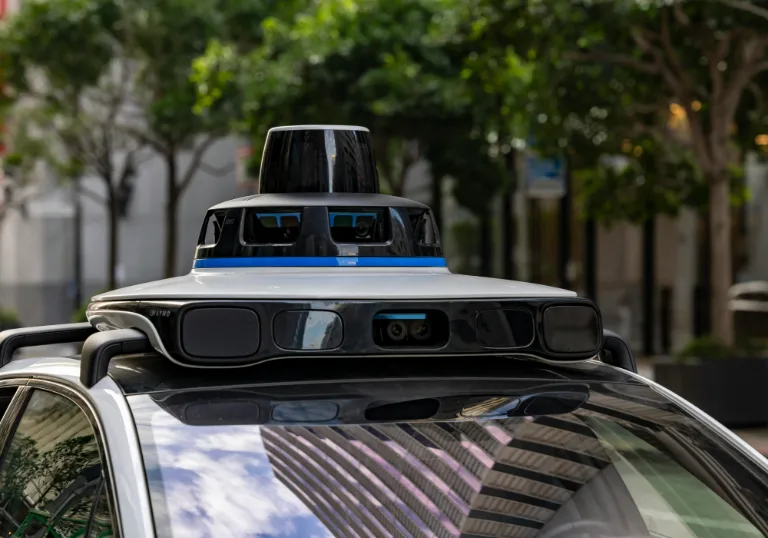
Autonomous fleet support outsourcing gives driverless car, truck and delivery-vehicle operators a trained remote crew for everything the vehicle cannot handle alone: remote assistance when it stops, incident triage when something goes wrong, and the rider, customer and shipment support that keeps the service running. It is the operations side of our autonomous vehicles hub, and it suits fleets that need a desk staffed at every hour of every day.
No driverless fleet is fully unattended. A vehicle will meet a police officer waving traffic through, a double-parked truck or a closed road it has never seen, and a trained person must assess the scene and guide it within seconds. That person can sit in a vetted operations center in Manila or Cebu, working inside your fleet tools with a second site as backup, under the ISO 26262- and SOC 2-aligned controls autonomy programs expect. The desk is judged on one thing above all: how fast a stuck vehicle is moving safely again.
What a fleet operations desk does
A fleet desk covers four jobs: remote assistance for vehicles that ask for help, incident triage when something happens on the road, fleet coordination for charging, cleaning and recovery, and customer or rider support. Small fleets combine them; large fleets split them into separate teams.
Remote assistance is the core. The operator sees what the vehicle sees, confirms a path, answers a question the software cannot, or hands the case up to someone authorized to take control. Triage decides the next step when an event is more serious: a collision, a passenger complaint, a vehicle blocking emergency access. Coordination keeps vehicles earning between trips, and support handles the people who ride with, ship with or share the road with the fleet.
Escalation tiers and the liability line
Every fleet desk needs a written rule for who may do what. The line between advising a vehicle and controlling it decides training, staffing, insurance and legal exposure, so settle it before launch.
Set out the tiers plainly: the vehicle resolves routine events itself, a remote assistant may suggest a path, a certified operator may authorize a maneuver, and a field team handles what cannot be solved remotely. Log every decision with what the operator saw and why they acted. Frameworks such as ISO 26262 and UL 4600 shape what records a safety case needs. Our guide to governing liability and the remote-intervention handoff sets out the contract terms and runbook clauses to agree with a vendor, including how responsibility is shared between you and the provider.
Robotic delivery and long-haul freight
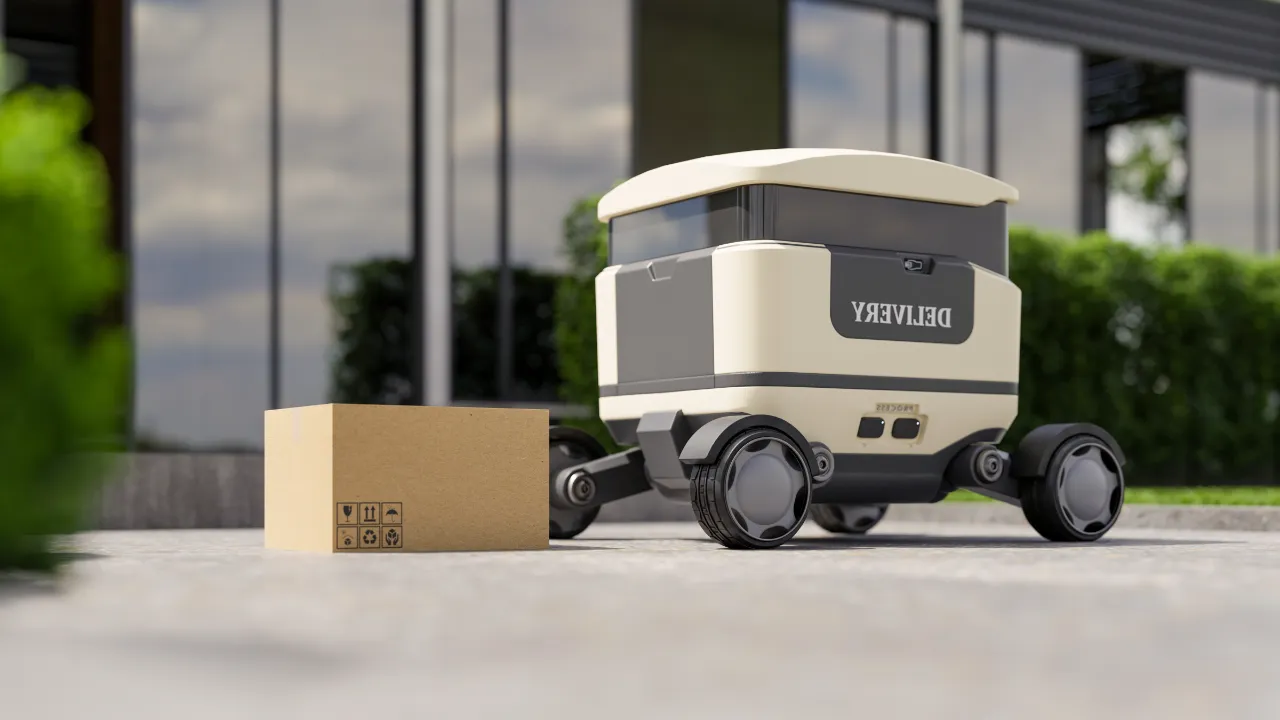
Delivery vehicles and driverless trucks share a desk design but differ in pace. Sidewalk and road delivery robots generate many small events close to people; long-haul trucks generate fewer events, with higher stakes and a shipment attached.
For delivery, the desk clears blocked routes, handles hand-off problems at the door and answers recipients; our step-by-step answer to running robotic delivery vehicle operations covers staffing and tooling. For freight, the same team manages route exceptions, hub handoffs and shipper updates beside vehicle assistance; see how programs structure driverless long-haul logistics support. Our logistics hub covers the wider freight operation around the truck.
Measuring the desk
Measure a fleet desk on time to intervention, fleet uptime and events resolved remotely, not on hours staffed or calls answered.
Time to intervention runs from the moment a vehicle asks for help to the moment a person acts, and it decides whether an event is a short pause or a stranded vehicle in a live lane. Track it by event type and by hour, because night and weather shifts often run slower. Track how many events end without a field visit, and how often the same event recurs after it has been labeled and returned to the autonomy team. Review these numbers weekly with the vendor’s operations lead.
Unit economics of fleet support
The desk pays for itself when it prevents the costly outcomes: a recovery trip, a missed delivery, a stranded rider, a vehicle out of service. Price it against those, not against a generic support seat.
PITON-Global’s robotics page compares fully loaded 2026 costs per operator: about $32 per hour for a US onshore mission-control seat against about $18 for a vetted Philippine crew. Our guide to modeling the unit economics of fleet support shows how to build the full case, including event rate, cost per event and the value of each hour a vehicle stays in service.
Staffing, coverage and training
Fleet operators are not general support agents. Recruit for calm under pressure, spatial judgment and strict runbook discipline, then certify each operator on a simulator running your stack before they assist a live vehicle.
Plan coverage around your service hours in every market you run, with two sites so a local outage never leaves the fleet without cover. A gated stand-up takes about eight weeks on PITON-Global’s model: integration and safety mapping, operator hiring and simulator calibration, shadow operations with an unannounced intervention drill, then a phased cutover. Operators and labelers should share a feedback loop, since each resolved event can become training data; our planned guide to autonomous vehicle data labeling covers that side.
What it costs
Indicative 2026 rates on PITON-Global’s robotics page put fleet and field-operations coordinators at $8–12 per hour, incident-triage operators at $10–14, latency-drilled teleoperators and safety-case analysts at $14–18 and shift leads at $14–18, confirmed per engagement against fleet size and event rate.
Desks are usually priced per staffed position around the clock, so the number of seats depends on your event rate and your target response time rather than on vehicle count alone. Our pricing guide explains how fully loaded rates are built and lets you model a team.
How to choose a vendor
Choose a vendor that can prove response speed on your own vehicles, show its intervention records and run inside your tools under secure access.
Visit the operations floor, review the incident runbooks and test the handoff with a simulated event. Ask for a live drill, failover between sites and the controls that keep vehicle video, maps and model IP inside a secured environment. Our guide to choosing a partner for autonomous delivery support lists the criteria, our seven-step vetting framework describes how PITON-Global tests providers before they reach a shortlist, and our wider guide to outsourcing to the Philippines covers contracts and governance. Robot fleets in warehouses and on sidewalks follow the same model, covered in our planned guide to robotics teleoperation support, and rider or recipient phone support is covered in our guide to call center outsourcing.
Hidden champions: the six to ten providers you’d otherwise have missed, lined up in 48 to 72 hours. Judge for yourself. No cost, no obligation.
Frequently asked questions
Staff your fleet desk with PITON-Global
PITON-Global is a vendor-neutral advisory. Tell us your fleet, markets and event rate, and we return a free shortlist of vetted Philippine operations teams, each tested on an intervention drill before it reaches you. Book a no-obligation call to start.
Book a no-obligation call →