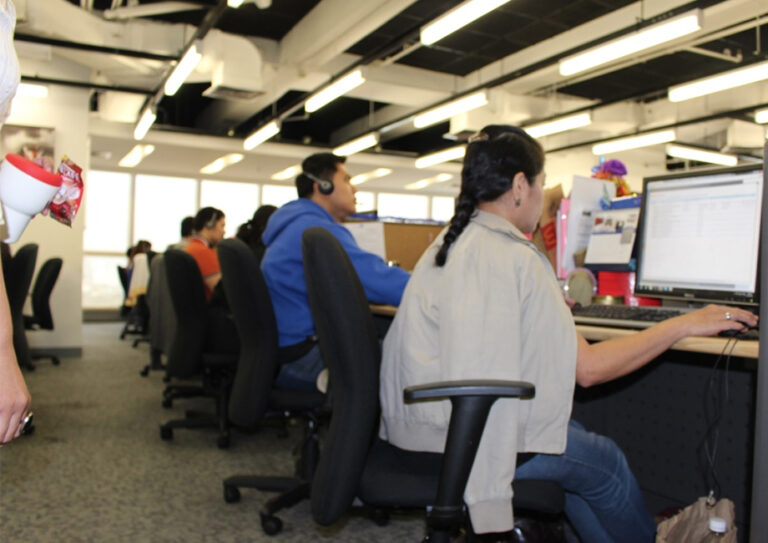

Outsourcing customer service and support to specialized call centers remains one of the most effective ways for a business to cut overhead without compromising quality, and what a fully loaded quote should itemize is where the analysis has to start. The Philippines has firmly established itself as the world’s premier destination for this work, renowned for its skilled, English-proficient workforce and significant cost advantages.
The Primary Driver: Substantial Labor Cost Reduction
The most immediate and significant cost saving realized by companies outsourcing call center operations to the Philippines stems from the considerable difference in labor costs compared to Western countries like the United States, the United Kingdom, or Australia. The disparity in salary expectations allows businesses to access a large, highly-qualified talent pool at a fraction of the cost of an equivalent domestic team.
For instance, the average annual salary for a Customer Service Representative in the United States is roughly three times what the same role commands in the country. This represents a potential saving of well over half on direct salary costs alone. When extrapolated across a team of agents, the savings become a critical factor in a company’s financial health. Some reports indicate that businesses save around two-thirds on labor costs by moving their customer service operations to the Philippines compared to maintaining a U.S.-based team.
| Location | Average Hourly Rate (Call Center Agent) |
| United States | $20 – $30 3 |
| Philippines | $8 – $14 4 |
These figures highlight the stark contrast in direct labor expenses. However, the total cost of employment extends beyond salaries. When factoring in benefits, payroll taxes, and other mandatory contributions, the savings from outsourcing to a local call center become even more pronounced.
Beyond Salaries: A Deeper Dive into Operational Cost Savings
While lower labor costs are the headline attraction, the financial benefits of outsourcing to the nation’scontact center permeate nearly every aspect of operational expenditure. A comprehensive analysis reveals savings across infrastructure, technology, recruitment, and training.
Infrastructure and Overhead
Establishing and maintaining a physical call center is a capital-intensive endeavor. Costs include commercial real estate, utilities, office equipment, and facility management. By partnering with an offshore provider, companies effectively eliminate these substantial overheads. The partner assumes the responsibility for all infrastructure, which is bundled into their service fee. The infrastructure component of the country’s BPO pricing is a predictable per-seat monthly operational expense that is significantly lower than the cost of leasing and managing a comparable facility in a high-cost Western market.
Technology and Licensing
Modern call centers rely on a sophisticated technology stack, including Customer Relationship Management (CRM) software, Automatic Call Distributors (ACD), Interactive Voice Response (IVR) systems, and quality monitoring tools. The licensing, implementation, and maintenance of these systems represent a significant and ongoing investment. Established Philippine call centers have already made these investments, spreading the cost across their client base. This provides even small to medium-sized enterprises (SMEs) with access to enterprise-grade technology that would otherwise be financially prohibitive.
Recruitment and Training
The process of hiring and training agents is both costly and time-consuming. Recruitment expenses, which include advertising, screening, and interviewing, run to thousands of dollars per employee. Furthermore, comprehensive training programs add a further four-figure sum per employee for basic onboarding, with specialized training costing significantly more.
Philippine outsourcing companies have highly efficient, large-scale recruitment and training machines. They maintain a constant pipeline of talent and have developed robust training methodologies honed over years of experience. This expertise not only reduces direct hiring costs but also accelerates the time-to-competency for new agents, ensuring a faster return on investment.
Real-World Case Studies: The Tangible Impact of Outsourcing
The theoretical cost savings are compelling, but the real-world success stories of companies that have embraced outsourcing in the country provide definitive proof of its value.
- Procter & Gamble (P&G): The multinational consumer goods giant turned to outsourcing to accelerate innovation and manage its global operations more efficiently. By partnering with contact centers in the Philippines and other global locations for R&D and customer support — a global shared-services strategy — P&G reported a major lift in innovation and productivity, leading to the launch of hundreds of new products that generated billions in revenue.
- Unilever: In a move to centralize its Enterprise Resource Planning (ERP) system, Unilever outsourced the development to a third-party provider. This strategic decision resulted in massive yearly savings of €700 million in operational activities, showcasing the transformative financial impact of outsourcing complex business processes.
- Rocket Resume: This startup, which provides resume-building software, enlisted a Philippine outsourcing firm to handle its growing volume of customer inquiries. The BPO partner answered every ticket from the very first day, allowing the core team to focus on product development and growth. This partnership led to a 30-point improvement in customer satisfaction (CSat) scores, directly contributing to the company’s expansion.
Understanding the Complete Cost Picture: Hidden Expenses and How to Avoid Them
While the cost savings of outsourcing to the nation’s call centers are substantial, prudent business leaders recognize that a comprehensive financial analysis must account for potential hidden costs. A 2025 report from the Global Workforce Institute indicates that up to 35% of first-year outsourcing budgets can be consumed by unprojected expenses if companies fail to conduct thorough due diligence. Understanding these potential pitfalls is essential to realizing the full value proposition of Philippine outsourcing.
Talent Attrition and Replacement Costs
The country’s job market, particularly in high-demand sectors such as technology and customer service, is highly competitive. Top talent receives multiple offers, and employee turnover can become a significant hidden cost if not properly managed. Industry analysis suggests that replacing a skilled employee can cost a large fraction of — or even more than — their annual salary in lost productivity and rehiring expenses.
Successful outsourcing partnerships mitigate this risk by focusing on comprehensive employee value propositions. Filipino professionals highly value comprehensive health benefits (HMO), clear career progression paths, and a stable, positive work environment. Partnering with an established service provider that has invested in these retention strategies ensures continuity and reduces the financial impact of attrition.
Regulatory Compliance and Statutory Benefits
Navigating Philippine labor law requires local expertise. The Department of Labor and Employment (DOLE) has stringent regulations designed to protect employees, including 13th month pay, holiday pay computations, and mandatory contributions to the Social Security System (SSS), PhilHealth, and Pag-IBIG. Miscalculations or non-compliance can lead to legal disputes and significant fines.
Engaging a reputable BPO partner with a robust compliance framework or utilizing an Employer of Record (EOR) service effectively insulates businesses from these complex regulatory burdens. These partners manage payroll, benefits administration, and ensure adherence to all local labor laws, transforming a potential liability into a managed, predictable cost.
Infrastructure Reliability and Business Continuity
While major metropolitan areas in the country, such as Manila and Cebu, boast modern infrastructure, operational continuity is not universally guaranteed. Power interruptions and internet connectivity issues can impact productivity if not properly addressed. Businesses must ensure that their outsourcing partner has invested in redundant power supplies (generators), multiple internet service providers, and robust IT security measures.
Selecting a contact center located in a Philippine Economic Zone Authority (PEZA) accredited building often ensures access to higher quality, more reliable infrastructure, minimizing the risk of costly downtime.
The Strategic Value Beyond Cost Reduction
While the quantifiable cost savings are the primary driver for most call center outsourcing decisions, the strategic value of partnering with a local vendor extends far beyond the balance sheet. The Philippines has cultivated a unique competitive advantage in the global BPO industry, rooted in cultural affinity, educational excellence, and a deeply ingrained service orientation.
Cultural Compatibility and Customer Service Excellence
Filipino culture places a high value on hospitality, respect, and interpersonal relationships. This cultural predisposition translates into a natural aptitude for customer service. Filipino agents are renowned for their empathy, patience, and ability to build rapport with customers, often resulting in higher customer satisfaction scores compared to other call center outsourcing destinations — one reason sensitive programs such as patient care coordination are entrusted to Filipino teams.
Furthermore, the nation has a strong cultural affinity with Western markets, particularly the United States, due to historical ties. This familiarity with Western customs, communication styles, and consumer expectations enables Filipino agents to deliver a more seamless and culturally appropriate customer experience.
English Proficiency and Communication Skills
The Philippines boasts one of the largest English-speaking populations in the world, with near-universal literacy. English is one of the official languages and is the primary medium of instruction in schools and universities. This widespread proficiency ensures that Filipino call center agents can communicate clearly and effectively with customers from English-speaking markets, minimizing language barriers and enhancing the overall customer experience.
Access to a Highly Educated and Skilled Workforce
The country’s education system produces over 600,000 graduates annually across various fields, including business, information technology, and communications. This robust talent pipeline ensures that outsourcing companies have access to a large pool of qualified candidates. Many Filipino professionals possess not only technical skills but also strong problem-solving abilities and a commitment to continuous learning, making them valuable assets to any customer service operation.
Quantifying the Total Cost of Ownership: A Comparative Analysis
To fully appreciate the cost savings of outsourcing to a Philippine contact center, it is essential to compare the total cost of ownership (TCO) against maintaining an equivalent in-house call center operation in a Western market. The TCO encompasses all direct and indirect costs associated with operating a call center, including labor, infrastructure, technology, recruitment, training, and management.
| Cost Component | In-House (U.S.) | Outsourced (Philippines) | Estimated Savings |
| Agent Salary (per hour) | $20 – $30 | $8 – $14 | 50% – 65% |
| Benefits (% of salary) | 20% – 30% | Included in service fee | Variable |
| Infrastructure (per seat/month) | $800 – $1,200 | $300 – $500 | 58% – 75% |
| Technology (CRM, ACD, IVR) | High upfront + ongoing | Included in service fee | 40% – 60% |
| Recruitment (per employee) | $2,250 – $4,683 | Included in service fee | 100% |
| Training (per employee) | $1,000 – $30,000 | Included in service fee | 100% |
| Overall Operational Savings | Baseline | 40% – 70% lower | 40% – 70% |
This comparative analysis demonstrates that the cost savings extend across virtually every category of operational expenditure. The cumulative effect of these savings can be transformative, particularly for small to medium-sized businesses that may lack the capital to build and maintain a large in-house customer service operation.
Maximizing ROI: Best Practices for Successful Outsourcing
Achieving the maximum return on investment from outsourcing to a Philippine call center requires more than simply selecting the lowest-cost provider. Successful partnerships are built on strategic alignment, clear communication, and a commitment to continuous improvement.
Conduct Thorough Due Diligence
Before engaging with a service provider, conduct comprehensive due diligence. Evaluate their track record, client testimonials, infrastructure, technology stack, compliance certifications (such as ISO 27001 or HIPAA), and employee retention rates. A site visit, if feasible, can provide invaluable insights into their operations and company culture.
Define Clear Service Level Agreements (SLAs)
Establish clear, measurable Service Level Agreements (SLAs) that define performance expectations. Common metrics include average handle time, first call resolution, customer satisfaction scores (CSAT), and net promoter score (NPS). Regularly review these metrics and work collaboratively with your BPO partner to identify areas for improvement.
Invest in Cultural Integration and Training
While Filipino agents possess strong cultural affinity with Western markets, investing in two-way cultural integration training can further enhance communication and collaboration. This training should educate your Philippine team about your company’s values, products, and customer expectations, while also helping your domestic leadership understand the Filipino context and communication style.
Foster a Partnership Mindset
View your outsourcing firm as a strategic partner, not merely a vendor. Engage them in strategic discussions, share business objectives, and solicit their input on process improvements. A collaborative partnership fosters mutual investment in success and drives superior outcomes.
A Strategic Imperative for Cost-Conscious, Growth-Oriented Businesses
The cost savings of outsourcing to Philippine contact centers are both substantial and multifaceted. From dramatic reductions in labor costs and total operational expenses to the elimination of infrastructure, technology, and recruitment overheads, the financial benefits are undeniable. Real-world case studies from industry giants like Procter & Gamble and Unilever, as well as agile startups like Rocket Resume, demonstrate the transformative impact of Philippine outsourcing on both the bottom line and overall business performance.
However, realizing these savings requires a strategic approach. Businesses must conduct thorough due diligence, account for potential hidden costs such as attrition and compliance, and foster a true partnership with their BPO provider. When executed effectively, outsourcing to a call center in the country transcends simple cost reduction. It becomes a strategic enabler, providing access to world-class talent, enterprise-grade technology, and a service-oriented culture that elevates customer experience and drives sustainable competitive advantage.
In an era where operational efficiency and customer satisfaction are paramount, the outsourcing industry offers a compelling value proposition for businesses of all sizes. By leveraging the skilled talent, cultural affinity for service, and operational expertise of Philippine contact centers, companies can not only achieve dramatic cost savings but also position themselves for long-term growth and success in an increasingly competitive global marketplace.