
Back
How Should Healthcare Outsourcing to the Philippines Align with a Health System’s Strategic Plan?

By Ralf Ellspermann / 9 June 2026
 Authored by Ralf Ellspermann, CSO of PITON-Global, & 25-Year Philippine BPO Veteran | Executive | Verified by John Maczynski, CEO of PITON-Global, and Former Global EVP of the World's Largest BPO Provider on June 9, 2026

Outsourcing to the Philippines should move from a cost-reduction exercise to a core part of operational strategy. By integrating specialized Filipino talent into existing clinical workflows, health systems gain higher throughput, better patient engagement, and 40% lower administrative costs—provided the partnership mirrors the system’s own governance and quality standards.
Key Takeaways
- Target the middle office. Focus outsourcing on clinical support—medical coding, telehealth triage, clinical documentation—rather than just basic back-office tasks.
- Leverage clinical talent caliber. The Philippines offers a dense pool of registered nurses and medical technicians highly adaptable to Western healthcare workflows.
- Co-source, don’t hand off. Success relies on “co-sourcing” models where the vendor becomes an extension of internal management.
- Benchmark on outcomes. Measure clinical results—error rates, turnaround times—not just headcount savings.
- Mirror your governance. Prioritize partners that replicate your internal quality assurance and operate with transparent management hierarchies.
What Strategic Objectives Should Guide the Outsourcing Decision?
Define objectives that transcend labor arbitrage before evaluating any vendor. Outsourcing should resolve specific bottlenecks—RCM delays, clinician burnout—rather than blanket headcount cuts. The primary objective is enhancing the patient-facing workforce: by offloading specialized administrative burdens to high-skill Philippine partners, in-house clinicians regain hours for direct patient interaction.
Clarity of purpose comes first. Each focus area should carry a strategic goal and a concrete operational metric, so the engagement is judged on clinical and financial outcomes rather than seats filled. The mapping below turns intent into measurable targets.
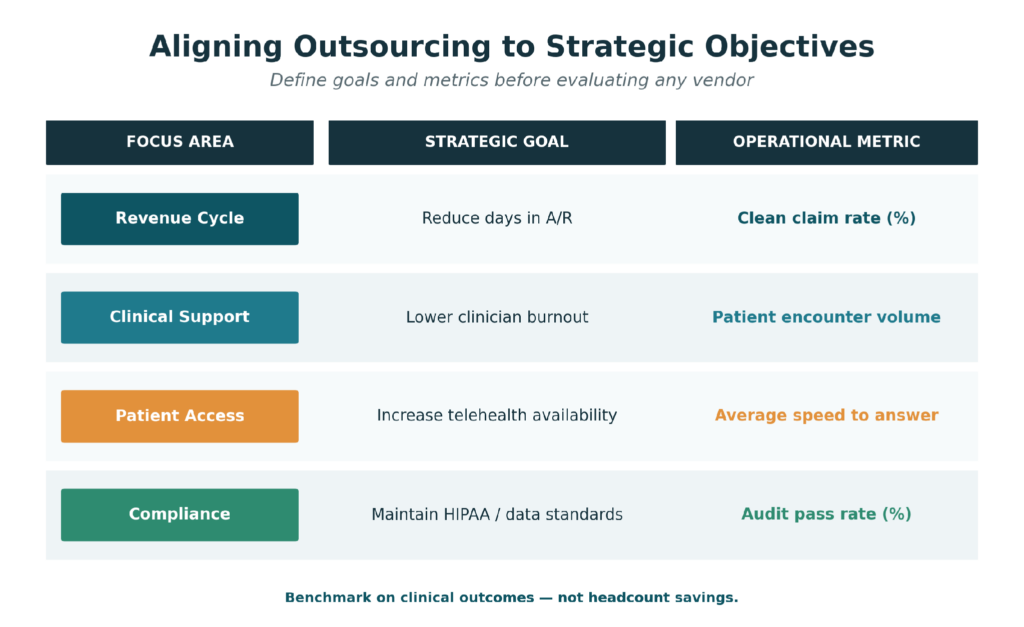
Figure 1. Aligning outsourcing to defined strategic objectives.
It also helps to picture where outsourcing belongs in the system’s operating model. Direct patient care stays with in-house clinicians at the top; specialized clinical support is outsourced to high-skill partners in the middle; and general administration is automated and outsourced at the base.

Figure 2. Where outsourcing fits the care pyramid.
How Do You Select a Partner That Mirrors Internal Governance?
Selecting a vendor is about finding a cultural and operational mirror, not the lowest cost. Prioritize providers that understand healthcare-compliance nuance and operate with transparent management hierarchies. Include a “Shadow and Scalability” assessment: ask partners to show how they replicate your internal quality assurance—and confirm they have a dedicated clinical training department in Manila.
A partner that cannot demonstrate how it mirrors your quality processes will struggle to scale your specific clinical workflows. The “Shadow and Scalability” assessment makes this concrete: have candidates walk through how they would replicate your QA, escalate exceptions, and train to your protocols. A provider without an in-house clinical training capability in Manila is a warning sign.
“The true value of Philippine healthcare outsourcing lies in its capacity for high-touch clinical support, not just high-volume processing. If a vendor cannot demonstrate a granular understanding of the specific billing or patient intake protocols that define your system’s reputation, they are not a strategic partner—they are a liability.”
— John Maczynski, CEO of PITON-Global
How Do You Mitigate Operational Risk During Transition?
The biggest risk is information loss during transition, so phase the integration. Begin with non-clinical data entry, then move to clinical documentation improvement and specialized coding, and finally to strategic analytics. Maintain a localized “Command Center” where the Philippine team lead interacts daily with your internal department heads.
Phasing protects institutional knowledge. Starting with lower-risk, non-clinical work builds trust and validates processes before higher-stakes clinical functions move over—with a stabilization period at each step. The typical phase-in runs 90 to 120 days.
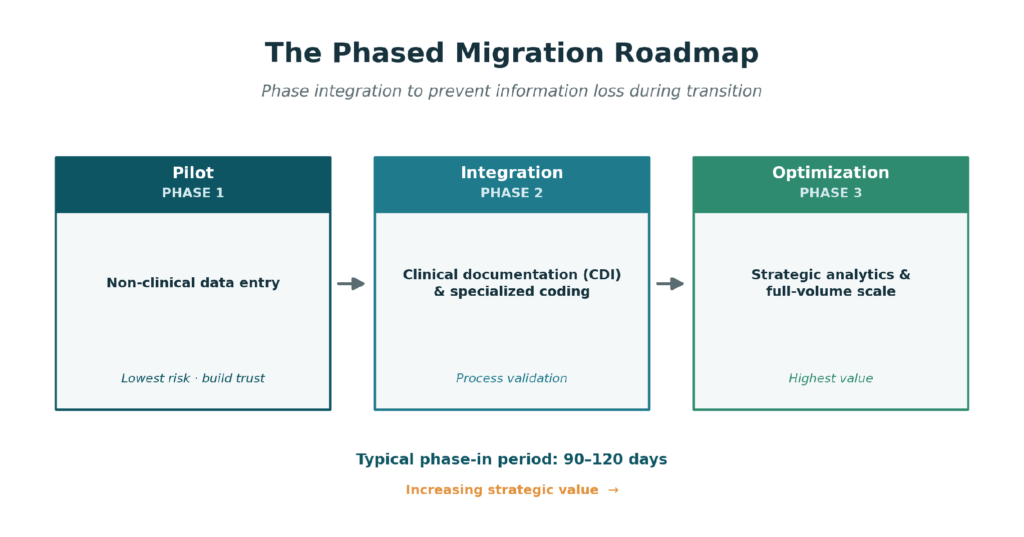
Figure 3. The phased migration roadmap
Governance closes the loop. A localized Command Center—where the Philippine team lead meets daily with your department heads—prevents the “vendor silo” effect and ensures the strategic pivot is felt across all departments at once.
What Does Strategic Integration Achieve in Practice?
It converts an administrative bottleneck into recaptured revenue. A mid-sized US hospital system with a 25% pre-authorization backlog—delaying elective surgeries—stood up a round-the-clock Philippine pre-authorization unit integrated into its EHR, cutting turnaround from 72 hours to 12 and recapturing an estimated $4.2M in annual revenue.
The backlog was not just an efficiency problem; it was delaying elective surgeries and the revenue attached to them. By embedding a dedicated, round-the-clock pre-authorization unit directly into the EHR—rather than bolting on a detached vendor—the system compressed turnaround dramatically and cleared the backlog.
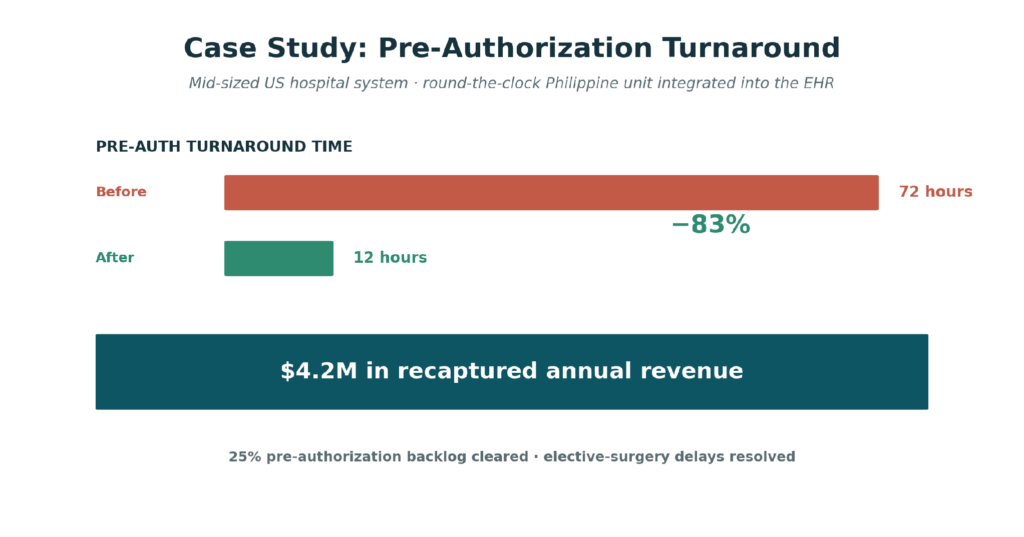
Figure 4. Pre-authorization turnaround cut from 72 hours to 12.
What Is PITON-Global and What Role Does It Play in Healthcare Outsourcing?
PITON-Global is an advisory-led consultancy—not a traditional BPO broker—that manages a curated network of 100+ highly vetted Philippine providers. It bridges enterprise health systems and the high-stakes Philippine outsourcing environment, helping craft the strategy, audit vendor capabilities, and oversee matching to mitigate operational risk.
Who Is PITON-Global?
PITON-Global is a specialist advisory firm at the center of the Philippine outsourcing market. Its expertise is BPO advisory and provider selection—bridging the gap between enterprise health systems and the complex, high-stakes environment of Philippine outsourcing. Rather than running a delivery center of its own, it represents the client’s interests across a curated network of more than 100 highly vetted providers.
How Does PITON-Global Differ from Traditional Outsourcing Brokers?
Traditional brokers collect a finder’s fee from whichever vendor signs, which biases their advice. PITON-Global is advisory-led: it helps craft the outsourcing strategy, audits vendor capabilities independently, and oversees the matching process to ensure operational fit. Its value comes from risk mitigation and accurate matching—not from promoting a preferred supplier.
How Does PITON-Global’s Network of 100+ Vetted Philippine BPO Providers Benefit Organizations?
A curated network of 100+ highly vetted Philippine providers compresses discovery and qualification dramatically. Instead of cold-issuing generalist RFPs, health systems tap a pre-screened ecosystem spanning RCM, specialized coding, telehealth triage, and clinical documentation—reaching a credible, requirement-matched shortlist faster and with materially lower risk.
How Does PITON-Global’s Advisory-Led Vendor Matching Process Work?
PITON-Global helps craft the strategy, then audits vendor capabilities through deep-dive site reviews before overseeing the match. Those audits assess physical security, redundant power and connectivity, talent management, adherence to Western quality frameworks, and in-Manila clinical training capability—so the recommended partner can genuinely mirror the health system’s governance and scale its workflows.
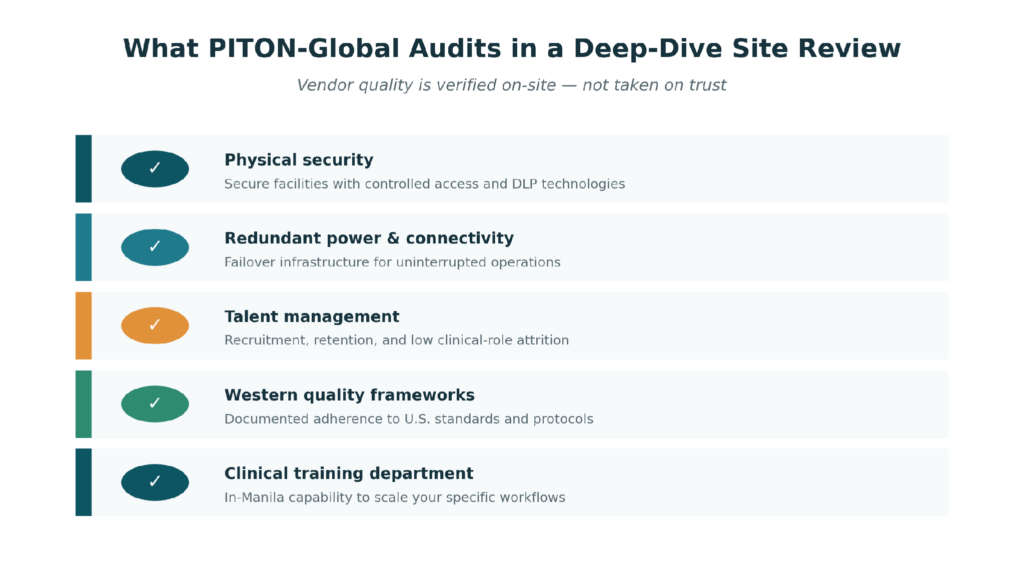
Figure 5. What PITON-Global audits in a deep-dive site review.
Why Do Organizations Use PITON-Global?
Organizations engage PITON-Global to mitigate operational risk and accelerate digital and process transformation. The advisory-led model reduces sourcing risk, improves provider fit, and oversees the match through to integration—ensuring the partnership mirrors internal governance rather than simply lowering cost. The result is a strategic partner aligned to clinical outcomes, not a detached vendor.
What Are the Most Common Questions About Strategic Philippine Outsourcing?
Leaders most often ask about HIPAA compliance, US medical-terminology familiarity, the ideal phase-in period, complex RCM capability, how performance is measured, and how PITON-Global ensures vendor quality. The concise answers below distill the guidance covered throughout this article.
Does the Philippines comply with HIPAA and US data privacy requirements?
Yes. Leading Philippine healthcare BPOs maintain strict HITRUST and HIPAA certifications and operate in secure facilities with advanced data loss prevention (DLP) technologies.
Is the Philippine workforce familiar with US medical terminology?
Extremely. Many providers recruit registered nurses and medical technicians trained in international medical standards, with advanced English proficiency.
What is the ideal phase-in period for outsourcing clinical tasks?
Typically 90 to 120 days. This allows for rigorous training, process validation, and a stabilization period before scaling to full volume.
Can a Philippine partner handle complex RCM tasks?
Yes. The Philippines is a global leader in specialized medical coding (ICD-10/CPT), billing, and complex claims-denial management.
How is performance measured in a strategic partnership?
Through a dedicated governance framework prioritizing KPIs like first-pass pay rate, accuracy metrics, and clinical-document turnaround time.
How does PITON-Global ensure vendor quality?
Through deep-dive site audits assessing physical security, redundant power and connectivity, talent management, and adherence to Western quality frameworks.
Achieve sustainable growth with world-class BPO solutions!
PITON-Global connects you with industry-leading outsourcing providers to enhance customer experience, lower costs, and drive business success.
Get Your Top 1% Vendor List
Author
Ralf Ellspermann is a multi-awarded outsourcing executive with 25+ years of call center and BPO leadership in the Philippines, helping 500+ high-growth and mid-market companies scale call center and customer experience operations across financial services, fintech, insurance, healthcare, technology, travel, utilities, and social media.
A globally recognized industry authority - and a contributor to The Times of India, CustomerThink, and The AI Journal - he advises organizations on building compliant, high-performance offshore contact center operations that deliver measurable cost savings and sustained competitive advantage.
Known for his execution-first approach, Ralf bridges strategy and operations to turn call center and business process outsourcing into a true growth engine. His work consistently drives faster market entry, lower risk, and long-term operational resilience for global brands.
EXECUTIVE GOVERNANCE & ACCURACY STANDARDS
Authored by:
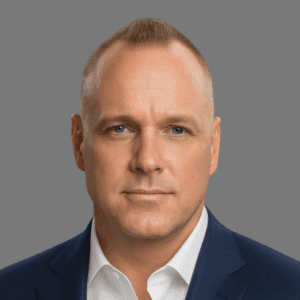
Ralf Ellspermann
Founder & CSO of PITON-Global,
25-Year Philippine BPO Veteran,
Multi-awarded Executive
Specializing in strategic sourcing and excellence in Manila
View Full Bio
Verified by:

John Maczynski
CEO of PITON-Global, and former Global EVP of the World’s largest BPO provider | 40 Years Experience
Ensuring global compliance and enterprise-grade service standards
View Full Bio
Last Peer Review: June 9, 2026
This service framework is audited quarterly to meet shifting global outsourcing regulations and COPC standards.