Outsourcing high-severity content moderation to the Philippines responsibly means treating moderator wellness as operational infrastructure, not a perk. The duty-of-care system — graduated exposure, automated content masking such as blurring and grayscale, capped rotation schedules, clinical screening and support, and governance — is what reduces turnover and sustains SLA quality on the hardest queues. Wellness is the operating model that protects both the people doing the work and the quality of the work itself.
Key Takeaways
- Wellness is infrastructure. On high-severity queues, duty-of-care design is the operating model, not an add-on.
- Masking reduces exposure. Automated blurring, grayscale, and muted audio cut harm without losing accuracy.
- Rotation is a control. Capped exposure and structured rotation protect people and sustain decision quality.
- Care drives the metrics. Lower turnover and steadier SLAs follow directly from genuine wellness investment.
Why Is Moderator Wellness an Operational Requirement, Not a Benefit?
Because sustained exposure to high-severity content degrades both people and performance — driving turnover, error, and SLA failure — so the duty-of-care system is what keeps the operation staffed, accurate, and stable over time.
On the hardest moderation queues, the wellbeing of the team and the quality of the work are the same problem. People exposed to severe content without protection burn out, leave, and — before they leave — make more errors and slower calls, which shows up directly as SLA failure and turnover cost. Treating wellness as a genuine operational system rather than a perk is therefore what keeps the queue staffed by experienced, accurate people. A responsible partner builds the duty-of-care system first and reports on it, because on this work the human metric and the performance metric move together.
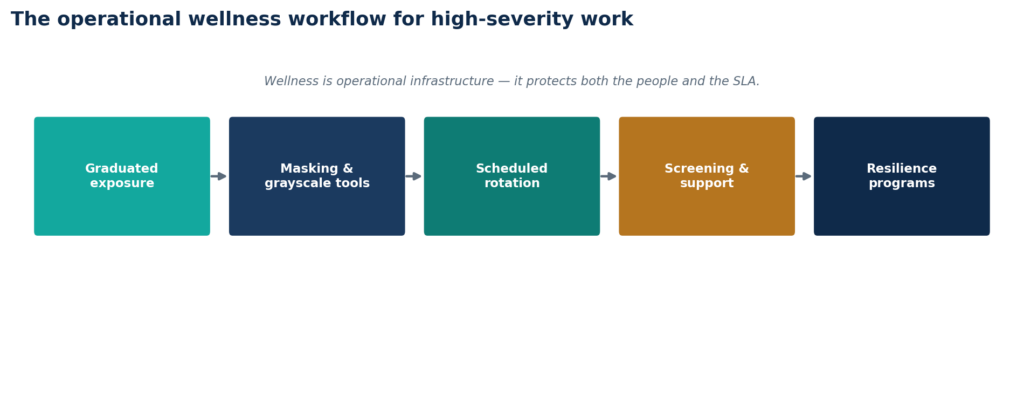
Figure 1 — Wellness is operational infrastructure; it protects both the people and the SLA.
According to John Maczynski, CEO, PITON-Global, “On these queues the kindest thing you can do and the smartest thing you can do are the same thing. Protect the people — mask the content, cap the exposure, give them real support — and your accuracy and retention hold. Cut those corners and you are trading human harm for a worse operation. There is no version where neglect pays.”
What Safeguards Make Up a Responsible Duty-of-Care System?
Graduated exposure, automated content masking (blurring, grayscale, muted audio), capped and structured rotation schedules, clinical screening and on-site support, and governance to enforce duty-of-care standards — designed together, not bolted on.
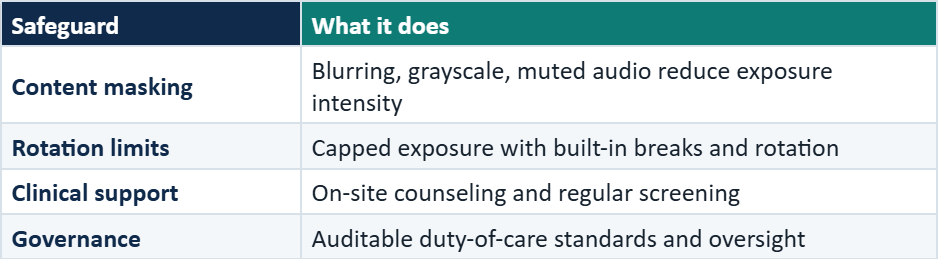
A responsible system layers several safeguards. Exposure is graduated, so people are not thrown into the most severe material on day one. Automated tooling reduces the intensity of exposure — blurring and grayscale on imagery, muted or transcribed audio — without compromising the accuracy of the review. Rotation schedules cap how long anyone spends on the hardest content and build in breaks and lower-intensity work. Clinical screening and on-site psychological support are available as standing services, not emergency measures. And governance enforces these as auditable standards. Designed together, they reduce harm; bolted on individually, they do not.
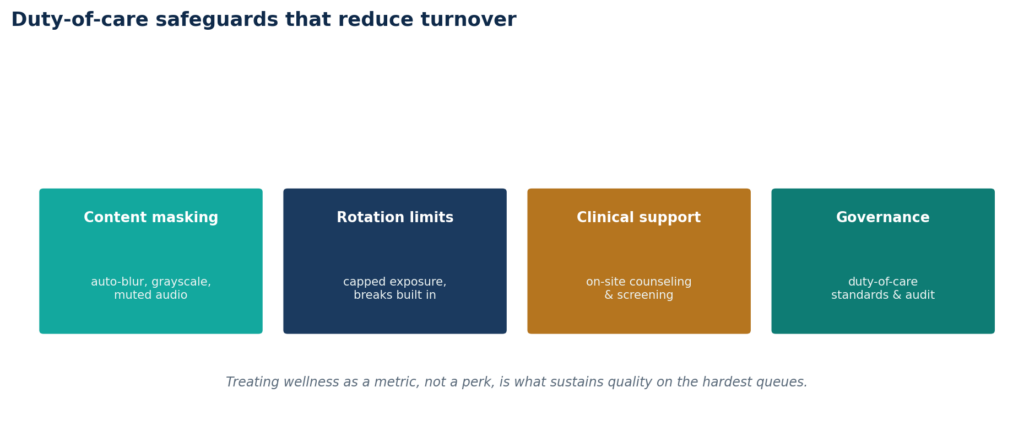
Figure 2 — Treating wellness as a metric, not a perk, is what sustains quality on the hardest queues.
“We ask providers to show us their rotation policy and their clinical support before we discuss anything else, because on high-severity work that is the operation. A partner that cannot describe how it protects its people is telling you it does not — and that will surface in your turnover and your quality,” said Ralf Ellspermann, CSO, PITON-Global.
How Does Genuine Wellness Investment Show Up in the Metrics?
As lower turnover, steadier SLA quality, and fewer errors — because protected, supported moderators stay longer and decide more accurately, so the duty-of-care system pays back directly in operational stability.
The business case and the ethical case point the same way. Wellness investment reduces attrition, which preserves the experience that drives accurate decisions; it keeps people performing rather than deteriorating, which steadies SLA quality; and it reduces the error and absence that come with untreated strain. So the duty-of-care system is not a cost laid on top of the operation — it is what makes the operation stable and accurate over time. When evaluating a partner for this work, the wellness program is not a soft consideration; it is the leading indicator of whether the engagement will hold up. This topic is sensitive, and a responsible operation treats it with the seriousness it deserves.
“Show me a provider’s rotation policy and clinical support and I will tell you their turnover before they do. On these queues, caring for people and protecting quality are the same line item,” noted John Maczynski, CEO, PITON-Global.
Frequently Asked Questions
Why Is Moderator Wellness Treated as Operational, Not Optional?
Because sustained exposure to high-severity content degrades people and performance — driving turnover, error, and SLA failure. The duty-of-care system is what keeps the queue staffed by experienced, accurate people, so wellness and quality move together.
What Safeguards Should a Responsible Operation Have?
Graduated exposure, automated content masking (blurring, grayscale, muted audio), capped and structured rotation, clinical screening and on-site support, and governance enforcing duty-of-care standards — designed together rather than bolted on.
How Does Wellness Investment Affect the Metrics?
It lowers turnover, steadies SLA quality, and reduces errors, because protected, supported moderators stay longer and decide more accurately. The duty-of-care system pays back directly in operational stability.
About PITON-Global
PITON-Global helps platforms source high-severity moderation partners that treat wellness as operational infrastructure — masking, rotation, clinical support, and duty-of-care governance — from a network of 100-plus leading Philippine BPOs, 20 of them AI-first front-runners. Our leadership brings 6+ decades of combined global outsourcing experience and 25+ years in the Philippines; sourcing is free and carries no obligation.