
Back
Pharmacy Benefit Management (PBM) & Prescription Support Outsourcing Philippines: Streamlining the 2026 Medication Lifecycle
By Ralf Ellspermann / 3 February 2026
 Authored by Ralf Ellspermann, CSO of PITON-Global, & 25-Year Philippine BPO Veteran | Executive | Verified by John Maczynski, CEO of PITON-Global, and Former Global EVP of the World's Largest BPO Provider on February 3, 2026

Executive Summary
In 2026, the pharmacy landscape is defined by a massive “structural reality check.” As specialty drugs—driven by the meteoric rise of GLP-1 therapies—now account for more than 52% of net pharmacy spend, U.S. health systems and self-insured employers are facing a budget crisis. The SmithRx 2026 Trends Report highlights that 2026 is the “year of the modern PBM,” as organizations flee legacy “opaque” models in favor of transparent, unbundled strategies.
Managed prescription support is no longer just a fulfillment task; it is a high-stakes clinical coordination effort. Managing the specialty drug reckoning requires the clinical precision of the modern pharmacy benefit navigation model found in the Philippines.
The 2026 Transparency Mandate: Breaking the “Big 3” Monopoly
For decades, traditional PBMs thrived on “spread pricing” and opaque rebate structures. However, new Department of Labor proposed regulations for 2026 require PBMs to disclose direct and indirect compensation to plan fiduciaries. This push for transparency has led to the “unbundling” of pharmacy services—where adjudication, retail, and specialty management are handled by different, specialized partners.
The Philippines has emerged as the global “Command Center” for this unbundled model. By utilizing a workforce that is often tertiary-educated in pharmacy or nursing, Philippine teams provide the intelligent pharmacy-connected platforms needed to transform raw data into actionable savings.
The Executive Perspective: Beyond the Fill
Strategic PBM support is about managing the patient, not just the pill.
“In 2026, success in pharmacy benefits isn’t about how fast you can fill a script; it’s about how effectively you manage the clinical journey,” says John Maczynski, CEO of PITON-Global. “Our advisory model connects U.S. payers and providers with specialized Philippine teams who handle the friction-heavy tasks of prior authorization and medication reconciliation. This allows U.S. pharmacists to operate at the top of their license while reducing drug spend through pure operational efficiency. We find you the partners who treat PBM as a clinical discipline, not just a volume game.”
Managing the GLP-1 “Reckoning”
The most significant disruptor in 2026 is the GLP-1 class of medications (e.g., Wegovy, Ozempic, Zepbound). For many employers, these drugs represent just 2% of prescriptions but consume over 50% of the pharmacy budget.
Philippine-based support centers are helping U.S. plan sponsors survive this “reckoning” through three critical interventions:
1. Prior Authorization (PA) “Defogging”
Specialty pharmaceuticals increased by 40% in recent years, leading to what clinicians call the “thick fog” of prior authorization. Philippine specialists utilize Agentic AI to pre-screen PA requests against clinical guidelines. By ensuring that every request is 100% complete before it hits a U.S. reviewer’s desk, turnaround times are reduced by 40%, and unnecessary medical-side spending is curtailed.
2. Adherence & Lifestyle Coaching
Aon’s 2026 research indicates that medical cost growth is 9% lower for patients with high adherence to their GLP-1 regimen. Conversely, 70% of users discontinue therapy within 18 months due to side effects. Philippine specialists—many of whom are U.S.-licensed RNs—act as Clinical Navigators. They provide proactive outreach to manage gastrointestinal side effects and coordinate “lifestyle support” (diet/exercise), ensuring the medication delivers its promised long-term ROI.
3. Specialty Pharmacy Coordination & “Carve-Outs”
In 2026, many health plans are “carving out” specialty drugs from their primary PBM contract. Philippine teams manage these complex carve-outs by verifying insurance coverage, identifying Patient Assistance Programs (PAPs), and coordinating the “cold chain” logistics required for high-cost biologics. This “White Glove” service ensures that life-saving medications are never delayed by administrative red tape.
Data Sovereignty: The Zero-Trust Perimeter
As noted in the Vizient 2026 Trends Report, “Cyber Resilience” is now a core supply chain strategy. PBM data—rich with sensitive PII and prescription history—is a prime target.
PITON-Global’s vetted partners operate within a Sovereign Data Perimeter. Philippine agents work in client-controlled VDIs (Virtual Desktop Infrastructure) where data never leaves the U.S. host country’s jurisdiction. This Zero-Trust approach ensures that pharmacy operations remain 100% SOC 2 Type II and HIPAA compliant, protecting the organization from the reputational and financial risks of a data breach.
Frequently Asked Questions (FAQ)
Q: Can Philippine teams perform Medication Therapy Management (MTM)?
A: Yes. Many providers in the Philippines employ “PharmDs” and Registered Nurses who are trained in U.S. clinical protocols. They can perform comprehensive medication reviews (CMRs) and flag potential drug-drug interactions for U.S. pharmacist approval, directly impacting Medicare Star Ratings and HEDIS measures.
Q: How does this model impact “Cost-to-Serve”?
A: By shifting administrative and foundational clinical work to the Philippines, organizations typically see a 50–65% reduction in PBM operational costs while maintaining or improving clinical outcomes.
Q: Is PITON-Global a PBM provider?
A: No. PITON-Global is a vendor-neutral BPO advisory firm. We do not manage pharmacy benefits ourselves. We act as your strategic consultants to find, vet, and audit the most transparent and technologically advanced PBM support firms in the Philippines. Our advisory services are provided at zero cost to the health system or plan sponsor.
Achieve sustainable growth with world-class BPO solutions!
PITON-Global connects you with industry-leading outsourcing providers to enhance customer experience, lower costs, and drive business success.
Get Your Top 1% Vendor List
Author
Ralf Ellspermann is a multi-awarded outsourcing executive with 25+ years of call center and BPO leadership in the Philippines, helping 500+ high-growth and mid-market companies scale call center and customer experience operations across financial services, fintech, insurance, healthcare, technology, travel, utilities, and social media.
A globally recognized industry authority—and a contributor to The Times of India and CustomerThink —he advises organizations on building compliant, high-performance offshore contact center operations that deliver measurable cost savings and sustained competitive advantage.
Known for his execution-first approach, Ralf bridges strategy and operations to turn call center and business process outsourcing into a true growth engine. His work consistently drives faster market entry, lower risk, and long-term operational resilience for global brands.
EXECUTIVE GOVERNANCE & ACCURACY STANDARDS
Authored by:
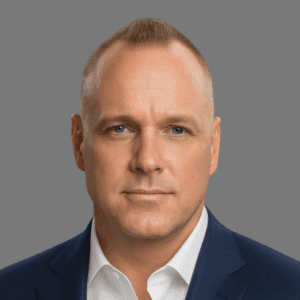
Ralf Ellspermann
Founder & CSO of PITON-Global,
25-Year Philippine BPO Veteran,
Multi-awarded Executive
Specializing in strategic sourcing and excellence in Manila
View Full Bio
Verified by:
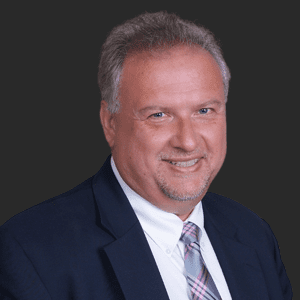
John Maczynski
CEO of PITON-Global, and former Global EVP of the World’s largest BPO provider | 40 Years Experience
Ensuring global compliance and enterprise-grade service standards
View Full Bio
Last Peer Review: February 3, 2026
This service framework is audited quarterly to meet shifting global outsourcing regulations and COPC standards.