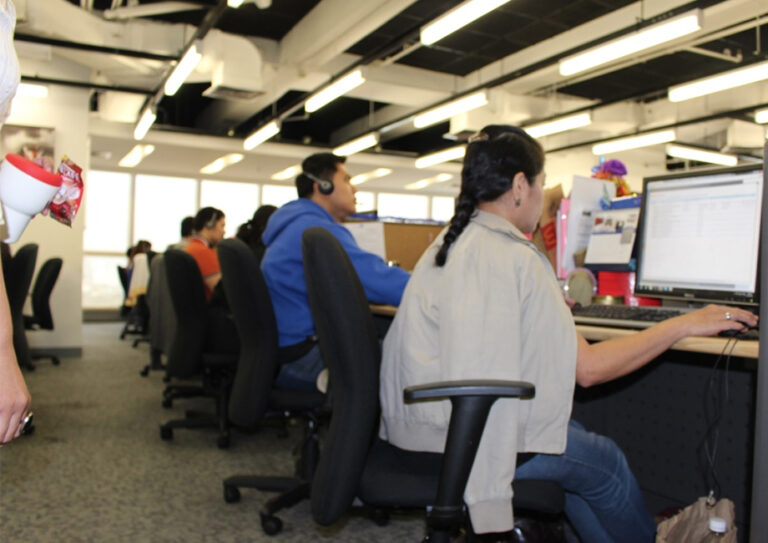

Medical record retrieval is slow, repetitive and deadline-driven, which is exactly why so many US health plans, risk-adjustment vendors, insurers and law firms hand it to medical record retrieval teams offshore. A trained team in the Philippines can chase charts during US business hours, index and quality-check them overnight, and do it at a fraction of domestic cost, provided the vendor treats patient data with HIPAA-grade discipline. The sections below cover the reasons the model works, the workflow it runs on, and the controls a buyer should insist on.
What chart retrieval involves, and who needs it
Retrieval means locating, requesting, collecting and delivering patient charts from the providers that hold them, then making those charts usable. It is a logistics job wrapped around sensitive data.
Demand comes from several directions. Medicare Advantage plans and their vendors pull charts to support risk-adjustment coding and to defend diagnoses in audits. Health plans chase records for HEDIS quality measures and payment-integrity reviews. Life and disability insurers need attending physician statements to underwrite and settle claims. Law firms and claims administrators need complete histories for litigation and workers’ compensation. Hospitals and physician groups request outside records for continuity of care. Each use has its own deadlines, formats and authorization rules, but the core work is the same: find the chart, get it released, and deliver it complete and accurate.
Audit pressure is raising the stakes. In a May 2025 announcement, CMS said it would audit all eligible Medicare Advantage contracts for each payment year in newly initiated risk-adjustment audits, expand its medical coder team from 40 to roughly 2,000, and review more records per plan. Plans that must produce supporting charts on request need retrieval capacity they can scale quickly.
How a request moves through an offshore team
A retrieval program in the Philippines runs as a pipeline with a named owner at every stage, so no request sits unworked. The typical flow has six steps.
- Intake. The client’s chart list is loaded, deduplicated and grouped by provider so one call can cover many patients.
- Provider location. Specialists confirm the right address, fax, portal or release-of-information vendor for each practice.
- Request and authorization. The team sends the request with the correct authorization or purpose statement attached.
- Chase. Scheduled follow-ups continue until the chart arrives or the provider formally declines.
- Receipt and indexing. Pages are matched to the request, split by document type and checked for completeness.
- Quality check and delivery. A reviewer samples the output, then the chart is released to the client’s system.
Philippine teams can own every step, or a client can keep authorization decisions in the US and send the rest offshore. Either way, the split should be written into the process map before go-live.
Reason one: a workforce that reads clinical documentation
Filipino retrieval specialists understand what they are collecting, which is the difference between a complete chart and an expensive second request. The Philippines produces a steady supply of nursing and allied-health graduates, and many move into healthcare operations roles.
That background matters at three points. On outreach calls, staff can explain precisely which encounters, dates of service and document types are needed. On receipt, they can tell whether a progress note, lab result or discharge summary is missing before closing the request. During indexing, they can classify documents correctly so that coders and reviewers downstream find what they need. Strong spoken English also matters, because much of the job is persuading busy front-desk and release-of-information staff at US practices to act on a request.
Reason two: follow-the-sun turnaround
Time-zone difference lets one team cover both halves of the day: live provider outreach during US office hours and back-end processing while US offices are closed. Manila runs about twelve to thirteen hours ahead of the US East Coast.
A well-designed program splits the work accordingly. A night-shift outreach team in Manila or Cebu calls, faxes and portal-messages US providers while they are open. A day-shift team then indexes, quality-checks and uploads what arrived, so a client’s reviewers start their morning with processed charts. For audit and deadline-driven projects, that rhythm shortens turnaround without paying overtime at home.
Reason three: lower cost per chart
Retrieval staffed from the Philippines lowers the labor cost behind every chart, and labor is most of what a chart costs. The 2026 PITON-Global pricing benchmarks put typical savings at 50–70% compared with US in-house staff, with a fully loaded offshore base rate of about $12 an hour that already includes team-lead and QA supervision.
Savings only count if they survive the full business case. Transition costs, governance time, provider copy fees and technology licenses all belong in the model, and the guide to financial assumptions for a hospital’s offshore business case lists what to include. Measure cost per completed chart, not cost per hour, so that low productivity or rework cannot hide behind a cheap rate.
Reason four: technology that tracks every request
Good Philippine vendors run retrieval on tracking systems, not spreadsheets, and they reach charts electronically wherever they can. Every request should have a status, an owner, a due date and a full contact history.
- Request tracking. A workflow tool logs each chart request, attempt and response, and flags items at risk of missing a deadline.
- Remote EHR access. Where providers grant it, staff retrieve documents directly from the provider’s EHR, which is faster than fax and reduces incomplete returns.
- Digital fax and portals. Inbound documents land in secure queues rather than on paper, and are matched to open requests automatically.
- Document AI with human review. Classification and extraction tools sort pages and pull key fields, and specialists confirm the output before delivery.
The challenges, and how to manage them
The real risks are data privacy, communication and quality drift, and each has a known control. None is a reason to avoid Philippine retrieval teams; all are reasons to choose a vendor carefully.
Data privacy
Charts are full of protected health information, so the vendor must sign a business associate agreement, restrict access by role, log activity, block local downloads and printing, and pass independent audits. Confirm that it verifies authorizations before release where one is required. Ask for the most recent SOC 2 Type II or HITRUST report rather than a policy summary.
Communication with US providers
Provider offices respond better to callers who sound informed and courteous. Scripts, call calibration and coaching on US office norms keep outreach effective, and escalation paths let difficult cases reach a senior specialist quickly.
Quality and completeness
Set measurable standards for chart completeness, indexing accuracy and turnaround, audit a sample every week, and tie service credits to the results. Review the root causes of every rejected chart with the vendor.
Choosing the right partner
Pick a partner that has run healthcare retrieval before, shows its controls rather than describing them, and prices on outcomes you can measure. Ask for a pilot on a real project, with completeness and turnaround reported daily.
Retrieval often works well as a first offshore program, because it is well defined, easy to measure and separate from clinical decisions. The article on which healthcare functions hospitals should send offshore first places it within a wider sequence, and the seven reasons healthcare companies choose Filipino partners explain the broader case.
Frequently asked questions
Is it legal to send US patient records to an offshore vendor?
HIPAA does not prohibit offshore business associates. The covered entity must have a business associate agreement in place and be satisfied that the vendor applies HIPAA’s safeguards. Some government contracts and state rules add restrictions, so check yours.
Can an offshore team retrieve records for risk-adjustment audits?
Yes. Offshore teams commonly chase, index and pre-screen charts for risk-adjustment and HEDIS projects, while final coding decisions follow the client’s review process.
How should retrieval be priced?
Per completed chart is the cleanest model, with clear rules for partial charts and provider copy fees. Hourly pricing suits early pilots while volumes and hit rates are still unknown.