
Back
Cybersecurity and Data Protection: How Call Centers in the Philippines Are Building a Fortress of Trust

By Ralf Ellspermann / 23 February 2026
 Authored by Ralf Ellspermann, CSO of PITON-Global, & 25-Year Philippine BPO Veteran | Executive | Verified by John Maczynski, CEO of PITON-Global, and Former Global EVP of the World's Largest BPO Provider on January 27, 2026

In an increasingly digitized world, data is the new currency. For businesses, it is the lifeblood of their operations, the key to understanding their customers, and the foundation of their competitive advantage. But with this great value comes great responsibility. The threat of a data breach is a constant and ever-present danger, and the consequences of a security failure can be catastrophic, leading to financial loss, reputational damage, and a complete erosion of customer trust. This is why cybersecurity and data protection have become the top priorities for call centers in the Philippines, which have invested heavily in building a fortress of trust to protect their clients’ most valuable asset: their data.
According to a report by IBM, the average cost of a data breach is now $4.45 million, a 15% increase over the last three years. This staggering figure underscores the importance of a robust and multi-layered security strategy. Leading call centers in the Philippines have responded to this threat by implementing a comprehensive security framework that includes state-of-the-art technology, rigorous processes, and a highly-trained workforce. This allows them to provide their clients with the peace of mind that comes from knowing that their data is safe and secure.
“In the BPO industry, trust is our most valuable asset. Our clients entrust us with their most sensitive data, and we have a sacred responsibility to protect it. That’s why we’ve invested so heavily in building a world-class security infrastructure. We’re not just a call center; we’re a fortress of trust.” – Ralf Ellspermann
The Pillars of a Secure Call Center Operation
A secure call center operation is built on a foundation of four key pillars: technology, process, people, and compliance.
Technology: A multi-layered technology stack is the first line of defense against a data breach. Leading call centers in the Philippines have implemented a wide range of security technologies, including:
• Firewalls and Intrusion Detection Systems: To protect the network from unauthorized access.
• Data Loss Prevention (DLP) solutions: To prevent sensitive data from leaving the network.
• Encryption: To protect data both in transit and at rest.
• Security Information and Event Management (SIEM) systems: To monitor the network for suspicious activity and to provide real-time alerts.
Process: Technology alone is not enough. A secure call center operation also requires a set of rigorous processes to ensure that data is handled in a safe and secure manner. This includes:
• Access Control: Limiting access to sensitive data to only those employees who need it to do their jobs.
• Data Classification: Classifying data based on its sensitivity and implementing appropriate security controls for each classification.
• Change Management: A formal process for managing changes to the network and to security policies.
• Incident Response: A detailed plan for responding to a security incident, including steps for containment, investigation, and remediation.
People: The human element is often the weakest link in the security chain. That’s why leading call centers in the Philippines have implemented a comprehensive security awareness and training program to educate their employees about the importance of data security and to teach them how to identify and avoid potential threats. This includes regular training on topics such as phishing, social engineering, and password security.
Compliance: A robust compliance program is essential to ensuring that a call center operation is meeting its legal and regulatory obligations. Leading call centers in the Philippines have implemented a comprehensive compliance framework that includes regular audits and assessments to ensure that they are in compliance with a wide range of international standards, including:
• PCI DSS: For the protection of credit card data.
• HIPAA: For the protection of healthcare data.
• GDPR and CCPA: For the protection of personal data.
The Importance of a Security-First Culture
Technology, process, and compliance are all essential components of a secure call center operation, but they are not enough. The most important element is a security-first culture, where every employee understands their role in protecting the company’s and its clients’ data. This is a culture that is built from the top down, with strong leadership from the executive team and a clear commitment to data security at all levels of the organization.
In a security-first culture, data security is not just the responsibility of the IT department; it is everyone’s responsibility. Every employee is empowered to be a human firewall, to be vigilant for potential threats, and to report any suspicious activity. This is a culture of shared responsibility, where everyone is working together to protect the company’s most valuable asset: its data.
“A security-first culture is not something you can buy; it’s something you have to build. It’s about creating an environment where every employee feels a sense of ownership and responsibility for data security. It’s about making security a part of the company’s DNA.” – Ralf Ellspermann
Case Study: A Global Financial Services Firm’s Security Transformation
A global financial services firm was looking to outsource its customer service operations, but it was concerned about the security of its data. The firm had a strict set of security requirements, and it was not sure if it could find a BPO provider that could meet them.
After a thorough search, the firm decided to partner with a call center in the Philippines that had a proven track record of providing secure and compliant services. The BPO provider worked closely with the firm to develop a customized security solution that met all of its requirements. The provider also implemented a comprehensive security awareness and training program to ensure that all of its employees were familiar with the firm’s security policies.
The outsourcing engagement was a huge success. The firm was able to reduce its customer service costs by 40%, while also improving its security posture. The firm was so impressed with the provider’s security capabilities that it decided to expand the relationship to include a number of other back-office functions.
A Trusted Partner in a High-Stakes World
In a world where the threat of a data breach is a constant and ever-present danger, cybersecurity and data protection are not just IT issues; they are business imperatives. Companies that are able to protect their data and to earn the trust of their customers will be the ones that succeed in the long run. Call centers in the Philippines have built a fortress of trust, with a multi-layered security framework that is designed to protect their clients’ most valuable asset: their data. By partnering with a leading BPO provider in the country, companies can build a more secure, more compliant, and more successful business.
References
- IBM. (2023). “Cost of a Data Breach Report 2023.”
Achieve sustainable growth with world-class BPO solutions!
PITON-Global connects you with industry-leading outsourcing providers to enhance customer experience, lower costs, and drive business success.
Get Your Top 1% Vendor List
Author
Ralf Ellspermann is a multi-awarded outsourcing executive with 25+ years of call center and BPO leadership in the Philippines, helping 500+ high-growth and mid-market companies scale call center and customer experience operations across financial services, fintech, insurance, healthcare, technology, travel, utilities, and social media.
A globally recognized industry authority—and a contributor to The Times of India and CustomerThink —he advises organizations on building compliant, high-performance offshore contact center operations that deliver measurable cost savings and sustained competitive advantage.
Known for his execution-first approach, Ralf bridges strategy and operations to turn call center and business process outsourcing into a true growth engine. His work consistently drives faster market entry, lower risk, and long-term operational resilience for global brands.
EXECUTIVE GOVERNANCE & ACCURACY STANDARDS
Authored by:
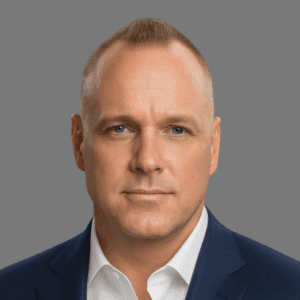
Ralf Ellspermann
Founder & CSO of PITON-Global,
25-Year Philippine BPO Veteran,
Multi-awarded Executive
Specializing in strategic sourcing and excellence in Manila
View Full Bio
Verified by:

John Maczynski
CEO of PITON-Global, and former Global EVP of the World’s largest BPO provider | 40 Years Experience
Ensuring global compliance and enterprise-grade service standards
View Full Bio
Last Peer Review: January 27, 2026
This service framework is audited quarterly to meet shifting global outsourcing regulations and COPC standards.