
Back
BPO Services in the Philippines: The Empathy Moat
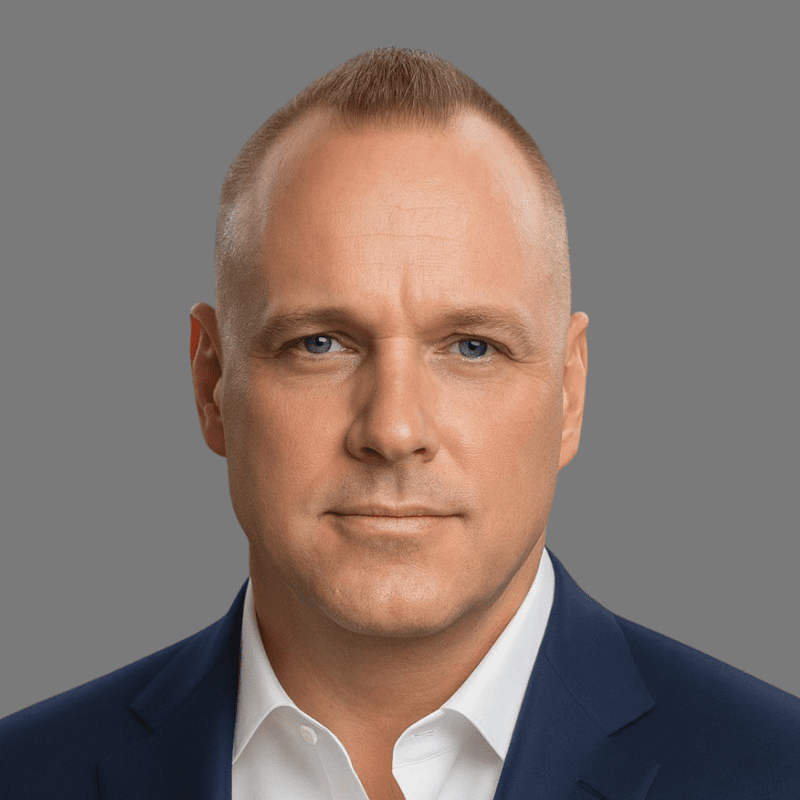
By Ralf Ellspermann / 4 February 2026
 Authored by Ralf Ellspermann, CSO of PITON-Global, & 25-Year Philippine BPO Veteran | Executive | Verified by John Maczynski, CEO of PITON-Global, and Former Global EVP of the World's Largest BPO Provider on February 4, 2026

30-Second Executive: Why Humans are the New “Premium” Layer
In 2026, the global BPO industry has reached the “Automation Paradox.” While AI now handles 80% of routine queries, the remaining 20%—the complex, high-stakes, and emotionally charged issues—now determine 100% of a brand’s reputation. The change for 2026 is the Empathy Moat: a strategic defensibility built by merging Philippine cultural EQ with AI speed. As customers grow weary of “generic AI loops,” BPO services in the Philippines have pivoted from being “low-cost processors” to being “High-Trust Empathy Hubs.” By leveraging the Filipino value of Malasakit, brands are achieving a 14-point jump in NPS compared to automated-only models. Cultivating this unique “human moat” is arguably the most critical defensive asset explored in our guide to BPO Philippines strategic resilience. While AI handles the data, the human element remains the greatest competitive advantage for BPO Philippines in 2026.
“The 2026 paradigm shift is simple: Nearshore is where you go to build with your team in real-time, but the Philippines is where you go to scale a world-class operational engine. While AI handles the speed, the emotional resonance of the Filipino workforce handles the customer. At a $14/hour baseline, call centers in the Philippines aren’t just a cost-save—they’re an innovation accelerator. In a world where AI is ubiquitous, the true differentiators are human judgment, cultural empathy, and accountability at scale.” — John Maczynski, CEO of PITON-Global
Solving the “Automation Fatigue” Crisis of 2026
By 2026, the novelty of “instant” AI responses has worn off, replaced by a measurable phenomenon known as Automation Fatigue. When a customer’s flight is canceled, their bank account is frozen, or a medical claim is denied, a scripted bot response—no matter how fast—feels like an insult.
- The Empathy Gap: Recent global studies indicate that 71% of consumers believe AI cannot forge genuine human connections, and 73% actively avoid businesses that fail to demonstrate empathy during a crisis.
- The “Toxic Loop”: Customers in 2026 report feeling “trapped” in infinite AI menus. The Philippine BPO sector has solved this by implementing Sentiment-First Routing. If an AI detects a “Sentiment Red Flag” (high-velocity typing, elevated vocal pitch, or repeated negative keywords), the system triggers an immediate “Warm Handoff” to a Filipino specialist before the customer even asks for one.
“Malasakit” as a High-Value Commercial Asset
In the Philippines, the cultural concept of Malasakit—taking personal ownership of a problem that isn’t yours—has been industrialized into a clinical CX framework. This goes beyond “politeness”; it is a proactive psychological intervention.
The ROI of Empathy: 2026 Benchmarks
| Performance Metric | Legacy AI-Only Model | PH Empathy Hub (2026) | Strategic Impact |
| Post-Escalation NPS | +12 | +36 | +14 pt gain in brand trust. |
| Repeat Contact Rate | 28% | 6% | -22% reduction in operational waste. |
| Revenue Recovery | 11% | 34% | EQ-driven conversion of returns to exchanges. |
| FCR (Complex Issues) | 78% | 94% | Human judgment captures what bots miss. |
The “Pilot and Wingman” Operational Standard
The most successful BPO services in the Philippines have adopted the “Pilot & Wingman” framework. This is the 2026 gold standard for efficiency:
- The Wingman (Agentic AI): Autonomous systems that perform “Back-Office Handshakes.” The AI authenticates the user, cross-references order history, and summaries the case in 3 seconds.
- The Pilot (Human): Skilled Filipino specialists who focus 100% of their cognitive energy on the emotional state of the customer. They don’t search for data; they “solve for the human.”
- The Result: Agents now spend 85% of their time on high-value problem solving rather than manual data entry. This shift has turned the “cost-center” agent into a Retail Growth Specialist or a Clinical Care Navigator.
Preventing Agent Burnout in the Age of Escalations
A major 2026 challenge is that because AI handles all the “easy” calls, human agents now face a relentless stream of high-stress crises. To protect the Empathy Moat, top-tier Philippine providers utilize Intelligent Workload Design:
- Recovery Intervals: AI monitors agent stress levels and automatically builds “recovery time” into shifts after high-intensity escalations.
- Real-Time Coaching: Systems like NGNShadowCoach provide live prompts, suggesting “Next Best Actions” not just for the solution, but for the tone and pacing of the conversation.
- Latitude Ranges: Agents are no longer tied to scripts. They have the autonomous authority to offer a credit, a personalized gift, or a “loyalty exception” to repair a relationship in real-time.
Expert FAQs: Human Connection in a Machine World
Q1: If AI is 70% cheaper, why shouldn’t I automate everything?
A: Because negative emotional weight is now 2.5x more predictive of churn than resolution speed. Automation saves pennies but costs millions in lost Lifetime Value (LTV).
Q2: How does the Philippines maintain this moat against Nearshore hubs?
A: While Nearshore offers proximity, the Philippines offers “Talent Density.” With 1.9 million specialists, the country has the world’s most proficient “AI Pilots” who combine technical fluency with a 25-year-old culture of high-empathy service.
Q3: Can “Malasakit” be trained?
A: It is recruited. Leading BPOs in 2026 prioritize candidates with backgrounds in hospitality, nursing, or education. You start with the heart and then layer on the technology.
The Industrialization of Care
The brands winning in 2026 have stopped viewing their Philippine operations as a “Call Center” and started viewing them as a “Brand Defense Lab.” In an era where AI can replicate logic, the human ability to care—Malasakit—has become the ultimate competitive advantage. By automating the process and humanizing the relationship, the Philippines has built a moat that no algorithm can cross.
Achieve sustainable growth with world-class BPO solutions!
PITON-Global connects you with industry-leading outsourcing providers to enhance customer experience, lower costs, and drive business success.
Get Your Top 1% Vendor List
Author
Ralf Ellspermann is a multi-awarded outsourcing executive with 25+ years of call center and BPO leadership in the Philippines, helping 500+ high-growth and mid-market companies scale call center and customer experience operations across financial services, fintech, insurance, healthcare, technology, travel, utilities, and social media.
A globally recognized industry authority—and a contributor to The Times of India and CustomerThink —he advises organizations on building compliant, high-performance offshore contact center operations that deliver measurable cost savings and sustained competitive advantage.
Known for his execution-first approach, Ralf bridges strategy and operations to turn call center and business process outsourcing into a true growth engine. His work consistently drives faster market entry, lower risk, and long-term operational resilience for global brands.
EXECUTIVE GOVERNANCE & ACCURACY STANDARDS
Authored by:
Ralf Ellspermann
Founder & CSO of PITON-Global,
25-Year Philippine BPO Veteran,
Multi-awarded Executive
Specializing in strategic sourcing and excellence in Manila
View Full Bio
Verified by:
John Maczynski
CEO of PITON-Global, and former Global EVP of the World’s largest BPO provider | 40 Years Experience
Ensuring global compliance and enterprise-grade service standards
View Full Bio
Last Peer Review: February 4, 2026
This service framework is audited quarterly to meet shifting global outsourcing regulations and COPC standards.