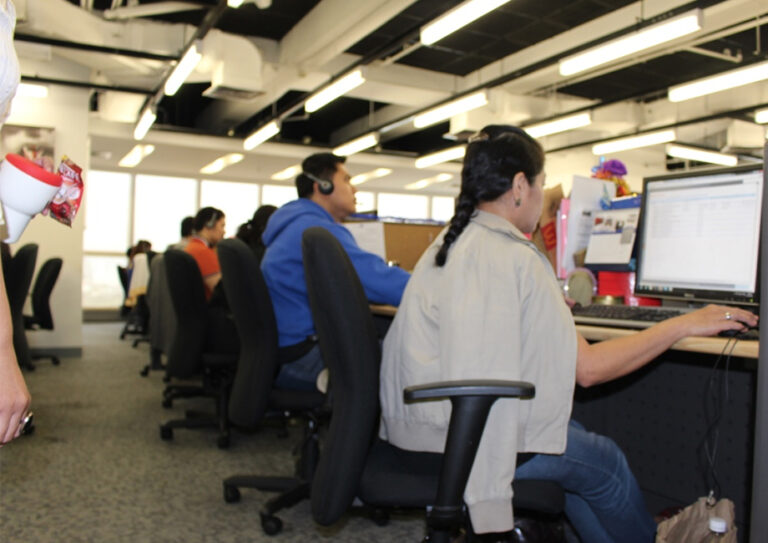

In an increasingly globalized and interconnected world, businesses are expected to be always on, ready to assist customers at any time of day or night. This has led to a surge in demand for 24/7 customer support, a service that many companies find challenging to provide in-house due to the high costs and logistical complexities involved. As a result, many have turned to outsourcing, with the Philippines emerging as a global leader in the business process outsourcing (BPO) industry, particularly in the provision of contact center services. But the question remains: can Philippine call centers truly provide seamless, high-quality 24/7 support? The answer is a resounding yes.
The Strategic Advantage: A Deep Dive into the Philippines’ 24/7 Capabilities
The Philippines’ ability to provide continuous, 24/7 support is not a matter of chance but the result of a combination of strategic advantages that have been carefully nurtured and developed over the years. These advantages include a favorable time zone, a highly skilled and adaptable workforce, a robust and modern infrastructure, and a supportive regulatory environment. Together, these factors create a powerful value proposition that has made the country the go-to destination for companies seeking to outsource their customer service operations, especially those in need of a reliable contact center.
The Time Zone Advantage: A Bridge Between East and West
The Philippines’ geographical location gives it a unique time zone advantage. Operating on Philippine Standard Time (PST), which is UTC+8, the country is positioned to serve as a bridge between the Eastern and Western hemispheres. This time zone positioning allows vendors to provide seamless coverage for different markets around the world, including North America, Europe, and the Asia-Pacific region. For instance, when it is nighttime in North America, it is daytime in the Philippines, allowing Filipino agents in a call center to handle customer inquiries and support requests during their regular working hours. This eliminates the need for costly and disruptive night shifts for onshore teams, while ensuring that customers receive timely assistance whenever they need it.
| Market | Time Zone Difference | Overlap with Philippine Workday | Benefits |
| North America | 12-15 hours behind | Minimal | Overnight support, next-day issue resolution, extended customer service hours |
| Europe | 6-7 hours behind | Partial (afternoon/ evening) | Real-time collaboration, extended service hours, streamlined workflows |
| Asia-Pacific | 2-3 hours difference | Significant | Real-time support, daytime work schedules, strong cultural alignment |
This 24/7 operational capability is not just a matter of convenience; it has a direct impact on business performance. By outsourcing their customer support to a service provider in the country, companies can significantly reduce their turnaround times, improve their customer satisfaction scores, and gain a competitive edge in the global marketplace. The ability to provide round-the-clock support is a key differentiator in today’s customer-centric world, and Philippine contact centers are uniquely positioned to help businesses achieve this goal.
The Human Element: A World-Class Workforce
While infrastructure and time zones provide the foundation, it is the Filipino workforce that truly sets the nation’s BPO industry apart. The Philippines has a large and continuously growing pool of highly skilled, educated, and motivated professionals who are well-suited for the demands of the call center environment. This human element is arguably the most critical factor in its ability to provide high-quality, 24/7 support.
Unparalleled English Proficiency
One of the most significant advantages of the Filipino workforce is its exceptional English proficiency. English is one of the country’s official languages and is deeply embedded in its education system, business, and culture. This results in a workforce that is not only fluent in English but also possesses a neutral and easy-to-understand accent, which is a major asset in voice-based customer support. According to the EF English Proficiency Index, the Philippines consistently ranks among the top countries in Asia for English skills. This high level of proficiency ensures clear and effective communication with customers from all over the world, leading to higher customer satisfaction and a more positive brand image for any outsourcing firm.
Cultural Affinity and Emotional Intelligence
Beyond language skills, Filipino call center agents are known for their strong cultural affinity with the West, particularly the United States. This is due to the nation’s long history of close ties with the US, which has resulted in a deep understanding of Western culture, values, and consumer behavior. This cultural compatibility allows Filipino agents to build rapport with customers more easily, understand their needs and concerns, and provide more empathetic and personalized support. As Ralf Ellspermann, a respected expert in the BPO industry, notes, “What truly sets the Philippines apart is emotional resonance. Agents don’t just speak English—they understand the underlying cultural context of the customer”. This high level of emotional intelligence (EQ) is a key differentiator for Philippine contact centers and a major reason why they are so successful in providing world-class customer service in every contact center.
A Service-Oriented Mindset
The Filipino culture is known for its hospitality, patience, and strong service orientation. These cultural traits are highly valued in the customer service industry and are a major reason why Filipino agents are so effective at their jobs. They are naturally inclined to be helpful, polite, and respectful, even in challenging situations. This service-oriented mindset, combined with their strong work ethic and commitment to quality, makes them ideal candidates for customer-facing roles. The country’s education system also plays a role in fostering this service-oriented culture, with many universities and colleges offering specialized courses and training programs in customer service and BPO operations, further strengthening the call center workforce.
The Backbone of 24/7 Operations: World-Class Infrastructure and Technology
A skilled workforce and strategic time zone are essential, but they must be supported by a robust and reliable infrastructure to deliver seamless 24/7 support. The Philippines has made significant investments in developing a world-class infrastructure that is specifically designed to meet the needs of the outsourcing industry, a sector where the call center is king. This includes state-of-the-art telecommunications networks, modern IT parks, and a supportive regulatory environment.
Government Support and Investment
The government has played a crucial role in the development of the country’s BPO industry. Recognizing its economic potential, the government has actively promoted foreign investment and created a business-friendly environment that is conducive to growth. This includes the establishment of Special Economic Zones, which offer a range of incentives to outsourcing companies, such as tax breaks, streamlined regulations, and access to world-class infrastructure. This has been a boon for every contact center. The government has also invested heavily in improving the country’s telecommunications infrastructure, with a focus on building redundant and resilient networks that can support the high-bandwidth requirements of the service provider industry.
Modern Technology and Facilities
Philippine call centers are equipped with the latest technology and facilities to ensure the highest levels of service quality and efficiency. This includes:
- Advanced Telephony Systems: State-of-the-art IP-based telephony systems with features such as automatic call distribution (ACD), interactive voice response (IVR), and predictive dialing.
- Omnichannel Support Platforms: Integrated platforms that allow agents to handle customer interactions across multiple channels, including voice, email, chat, and social media.
- Customer Relationship Management (CRM) Software: Sophisticated CRM systems that provide agents with a unified view of the customer, enabling them to provide more personalized and effective support.
- Redundant Power and Connectivity: Uninterruptible power supplies (UPS), backup generators, and multiple internet service providers (ISPs) to ensure business continuity in the event of a power outage or network failure.
- Secure and Compliant Facilities: Modern, secure facilities that are compliant with international standards such as ISO 27001 and the Payment Card Industry Data Security Standard (PCI DSS).
This commitment to investing in the latest technology and infrastructure ensures that every Philippine contact center can provide reliable, secure, and high-quality 24/7 support to their clients.
The Legal and Regulatory Framework: Enabling Round-the-Clock Operations
The Philippines has a well-defined legal and regulatory framework that supports the 24/7 operational model of the BPO industry, where the call center is a key player. Its labor laws are designed to protect the rights and welfare of employees while also providing the flexibility that outsourcing firms need to operate around the clock. This supportive legal environment is a key factor in the nation’s ability to provide reliable and sustainable 24/7 support.
Night Shift Regulations
The Philippine Labor Code includes specific provisions for employees who work during the night shift, which is defined as the period between 10:00 PM and 6:00 AM. These provisions include:
- Night Shift Differential: Employees who work during the night shift are entitled to a night shift differential of at least 10% of their regular wage for each hour of work performed.
- Health and Safety: The law also mandates that employers provide a safe and healthy working environment for night shift employees, including access to transportation, meals, and medical services.
These regulations ensure that employees who work non-traditional hours are fairly compensated and that their health and well-being are protected. This, in turn, helps to attract and retain a skilled and motivated workforce for the outsourcing industry, and by extension, every contact center.
Flexible Work Arrangements
The government has also been supportive of flexible work arrangements, which are essential for the 24/7 operations of outsourcing companies. The Philippine call center is a prime example of this flexibility. The Department of Labor and Employment (DOLE) has issued guidelines that allow for various flexible work arrangements, such as compressed workweeks, flextime, and telecommuting. These arrangements provide service providers with the flexibility they need to meet the fluctuating demands of their clients while also promoting work-life balance for their employees.
Real-World Success: Case Studies in 24/7 Support
The theoretical advantages of outsourcing to the Philippines are borne out by numerous real-world success stories. Companies across a wide range of industries have partnered with contact centers to provide 24/7 support and have achieved significant improvements in key performance metrics. An analysis of several case studies from a leading vendor in the country reveals a consistent pattern of success.
| Industry/Client Type | Key Challenge | Results After Outsourcing |
| Entertainment/Media Company | Overwhelmed in-house team, high call volume | 93% First Call Resolution, 95% Customer Satisfaction, 90% of calls answered within 10 seconds |
| Household Products Provider | Low customer satisfaction, seasonal call spikes | 21% increase in Customer Satisfaction, 34% decrease in Average Handling Time |
| Online Retailer | Low First Call Resolution, high Cost Per Call | First Call Resolution increased from 76% to 91%, Cost Per Call reduced by 25% |
| Global Sports Media Network | Limited to email-only support | Added phone and live chat support, email response time reduced from 3 days to 3 hours, email volume dropped by 50% |
| B2B Entertainment Provider | Inefficient customer interaction handling | 38% increase in customer interactions handled, 65% decrease in Call Abandonment Rate, 85% increase in Customer Initial Response Time |
| Leading Energy Company | Below-expectation Customer Satisfaction | 25% increase in email Customer Satisfaction, 33% improvement in customer communication scores |
| Leading Insurance Company | Underutilized omnichannel engagement | 35% increase in overall process efficiency, 15% reduction in Average Handling Time, 45% improvement in Customer Satisfaction, 80% of web chat customers served within 30 seconds |
These case studies provide compelling evidence of the tangible benefits of outsourcing customer support to the Philippines. The consistent improvements in key metrics such as First Call Resolution, Customer Satisfaction, and Average Handling Time demonstrate the ability of call centers to deliver high-quality, efficient, and effective 24/7 support. A well-run outsourcing provider is a prime example of this.
The Unquestionable Leader in 24/7 Support
The evidence overwhelmingly supports the fact that Philippine contact centers are not only capable of providing 24/7 support but are, in fact, the global leaders in this domain. The country has meticulously cultivated a BPO ecosystem that is perfectly attuned to the demands of a globalized, always-on economy. From its strategic time zone and world-class infrastructure to its highly skilled and culturally attuned workforce, the Asian archipelago offers a comprehensive and compelling value proposition for businesses seeking to provide continuous, high-quality customer support from a call center.
The consistent improvements in key performance metrics across a diverse range of industries are a testament to the effectiveness of the Philippine BPO model. By leveraging the nation’s unique advantages, businesses can not only meet the growing demand for 24/7 support but also enhance their customer satisfaction, improve their operational efficiency, and gain a significant competitive edge in the global marketplace.
For any business looking to elevate its customer service and provide seamless, round-the-clock support, the Philippines is not just a viable option; it is the clear and strategic choice. The country’s proven track record of success, combined with its unwavering commitment to quality and innovation, makes it the undisputed leader in the global outsourcing industry, and the premier destination for any call center operation.