


Your software runs the store. When it stalls, so does the register.
We'll line up six to ten award-winning, mid-sized, fully compliant providers in Manila that specialize in your retail-tech vertical and are serving companies like yours right now. Shortlist in 48 to 72 hours. Completely free, no obligation.

Sourced for you, not listed. Free, no obligation.
Your details go to John, nobody else.
What retail tech outsourcing can take on, and what stays in-house
Start with the work that follows a known system and a written script: merchant onboarding and account setup, how-to questions, Tier 1 technical triage, POS hardware troubleshooting by phone or remote session, and payment and payout status. Add Tier 2 once agents know your product and your escalation rules: integration errors, menu and catalog sync, and configuration changes made inside your admin tools. Keep product decisions, risk and underwriting approvals and engineering fixes with your own teams, and give the vendor a written handoff for each. Staff to your merchants’ trading hours rather than your office hours. Retailers and restaurants are busiest on evenings, weekends and holidays, which is when a dead terminal costs them the most. Measure the team on merchant outcomes, such as time to first transaction, first-contact resolution, merchant uptime and churn, rather than tickets closed.
Retail tech support bought on cost per ticket alone leaves merchants waiting when they can least afford it. Providers here are scored on activation, first-contact resolution, merchant uptime and retention.
RetailTech support covers merchants, their stores and their payments. The desks behind each usually move together.

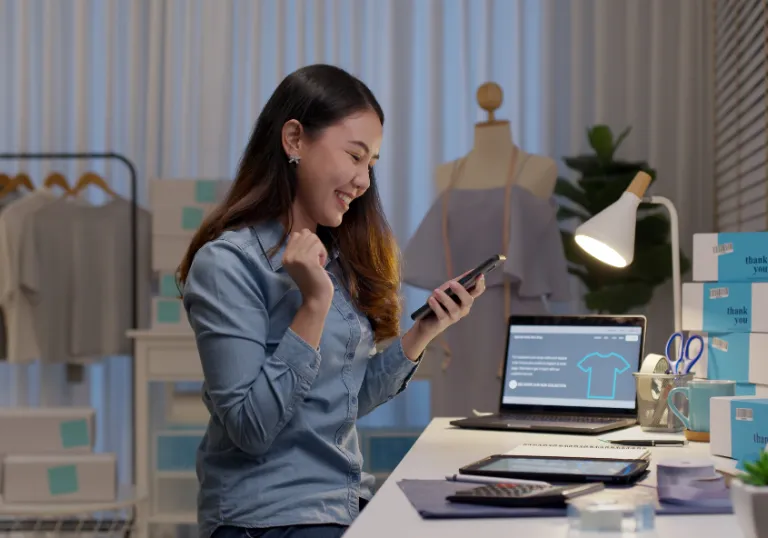
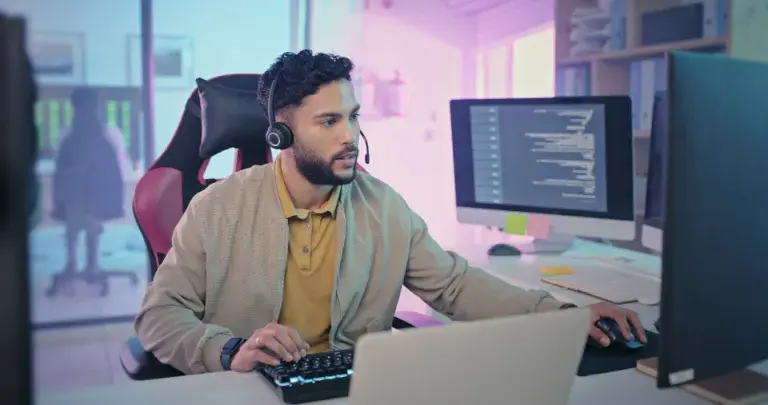

Four queues: onboarding, technical support, payments and platform operations.
One team working from your knowledge base, ticketing system and merchant admin, with role-based access and a written escalation path to product, risk and engineering.
Account setup, hardware shipment tracking, guided installation, menu and catalog loading, staff training calls and the first live transaction, measured on time to activation and early churn.
Terminal, printer, scanner and cash-drawer troubleshooting, connectivity and offline mode, software updates and configuration changes, with remote sessions and a clear handoff to engineering for defects.
Payout timing, failed transactions, chargeback and dispute intake, fee questions and account verification, handled in PCI DSS-governed environments, with risk and underwriting decisions kept with your team.
Product and menu data, inventory and pricing sync, marketplace and delivery-app integrations, app and plugin support, and the back-office queues that keep merchant accounts accurate.
This page is for retail technology companies. The retail page is for retailers.
Three pages sit close together. Use this one if your customers are merchants; if your customers are shoppers, see retail outsourcing Philippines; use the SaaS page for software support outside retail.
Merchant onboarding, POS and payments support and platform operations for POS vendors, commerce platforms and retail SaaS companies.
Omnichannel care, peak surge and returns for retailers serving shoppers in store and online.
Retail outsourcing →Tier 1–2 support, onboarding and renewals for software companies outside retail.
SaaS support outsourcing →Indicative 2026 rates — priced by role, fully loaded per hour.
Ask each vendor to price the same role mix against your merchants’ trading hours, including weekend and holiday cover. Final rates through a competitive proposal among vetted providers. Rates confirmed per engagement.
Scope my merchant support team →Hidden champions: the six to ten providers you’d otherwise have missed, lined up in 48 to 72 hours. Judge for yourself. No cost, no obligation.
What retail technology companies ask before they outsource merchant support.
Straight answers to the questions that decide a retail technology support engagement, from the principals who advise on them.

Retail tech outsourcing in the Philippines: merchant support and operations for retail technology platforms
Retail tech outsourcing to the Philippines gives point-of-sale providers, e-commerce platforms, retail SaaS vendors, payment and loyalty technology companies and in-store technology makers a team for the operations that scale with every merchant they sign: merchant onboarding and implementation support, technical support for store staff and merchant administrators, hardware troubleshooting and replacement coordination, integration support for third-party apps, billing and subscription management and the merchant success work that drives renewals. Merchants call when a till is down on a Saturday afternoon, and the quality of that call decides whether they renew.
Filipino technical support teams already support retail technology companies in the US, UK and Australia, with experience in POS systems, e-commerce platforms and payment devices, and strong skills in troubleshooting with non-technical store staff. Hubs in Manila, Cebu and Clark run 24/7 for trading hours in every time zone and staff up for peak season. This section covers how retail tech support is organized.
Onboarding and implementation support
New merchants need their systems configured, data imported, hardware installed and staff trained before they can trade. Implementation coordinators guide merchants through setup, configure catalogs, taxes, payment methods and integrations, schedule hardware shipments and installations and run go-live checks. Time to first transaction is the metric that matters.
Onboarding quality predicts support volume: merchants set up well call less. Coordinators record configuration decisions so support teams can see them later. See Shopify support and platform integration support for platform-specific programs.
Technical support for stores and administrators
Store staff call with urgent problems: terminals offline, payments failing, printers not printing, logins not working, inventory not syncing. Agents troubleshoot calmly with people who are often busy and non-technical, follow diagnostic trees, resolve remotely where possible and escalate to engineering or arrange hardware replacement when needed. Merchant administrators call about reporting, user management, integrations and configuration.
Tiered support with clear escalation, a knowledge base kept current for every release and proactive status communication during platform incidents keep resolution fast. See technical support for tiered support models and help desk for IT service desk programs.
Payments, PCI and in-store incident response
Retail technology touches card payments, and a payment outage during trading hours is the most urgent ticket a support desk receives. Teams run incident playbooks that distinguish terminal, network, processor and software causes, walk store staff through workarounds such as offline mode and keep merchants informed until service is restored. Post-incident reviews feed product and infrastructure teams.
Payment support operates under PCI DSS: agents never record full card numbers, screen sharing follows rules, and access to payment configuration is restricted and logged. Vetted providers hold PCI attestation for the scope they touch and SOC 2 Type II for the rest. See technical support outsourcing for tiered technical support models.
Product feedback loops and self-service deflection
Every support ticket is evidence about the product. RetailTech support teams tag tickets by feature, cause and merchant segment, and send product teams a weekly digest of the top friction points with examples: a setting merchants cannot find, an integration that breaks after updates, a report that confuses store managers. Fixes shrink ticket volume and improve retention.
The same analysis drives self-service: help center articles and in-app guidance are written and updated for the questions that recur, and deflection is measured by watching whether ticket volume on a topic falls after the article ships. See SaaS outsourcing for the support-to-product loop in software companies more broadly and help desk outsourcing for service desk operations.
Hardware logistics, integrations and billing
Retail tech often includes hardware: terminals, card readers, printers, scanners and tablets. Support teams coordinate replacements, returns and repairs with logistics partners, track devices by merchant and manage warranty claims. Integration support helps merchants connect accounting, e-commerce, loyalty and delivery apps and diagnoses sync failures between systems.
Billing operations cover subscription changes, usage charges, payment processing fees questions, invoice disputes and collections, with clear explanations of pricing. See payments support for payment processing operations.
Merchant success, peak season and choosing a partner
Merchant success teams check in with accounts, drive adoption of features, identify churn risk from usage and support signals and coordinate renewals. Peak season readiness programs contact merchants before holidays to confirm hardware, staffing and configuration, which reduces incident volume when it matters most. See SaaS renewals and expansion support for renewal desks.
When you compare vendors, ask about POS and platform experience, troubleshooting with non-technical users, hardware logistics coordination, 24/7 coverage and peak staffing. Vetted mid-sized Philippine providers usually start retail tech programs with 10 to 80 people and report time to first transaction, first-contact resolution, response time for down-terminal calls, hardware replacement turnaround and merchant satisfaction and renewal rate.
Also serving: retail tech sits in our Retail & E-Commerce hub. Related pages: technical support, Shopify support and platform integration support. If you are scoping this work, start with POS Outage Playbook: How Retail Software Vendors Support Stores When Payments Fail.