
Back
Fintech Regulatory Compliance Management Outsourcing Philippines: Navigating the 2026 “Real-Time” Mandate
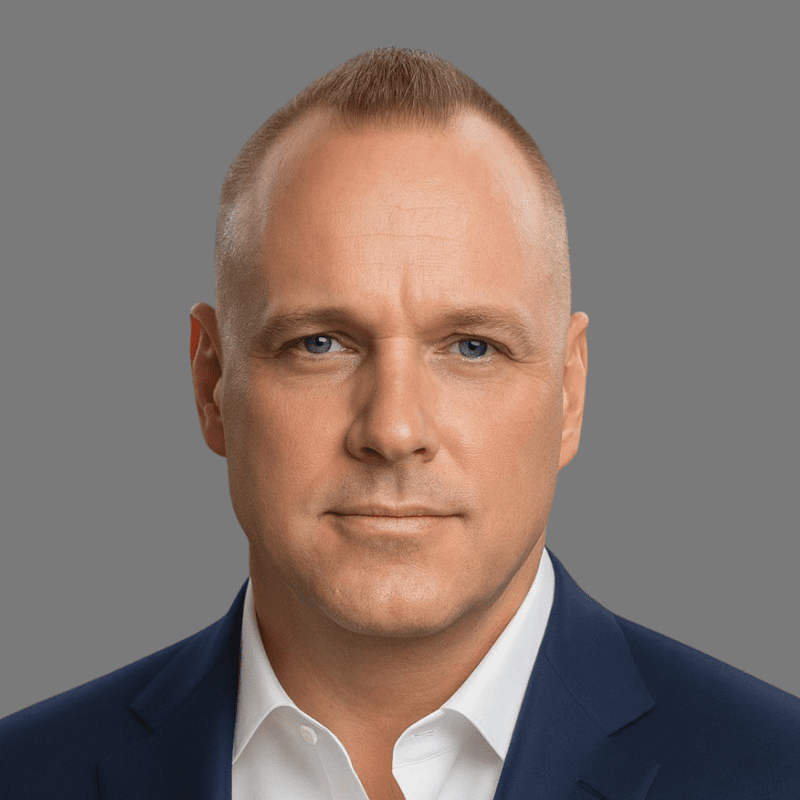
By Ralf Ellspermann / 30 January 2026
 Authored by Ralf Ellspermann, CSO of PITON-Global, & 25-Year Philippine BPO Veteran | Executive | Verified by John Maczynski, CEO of PITON-Global, and Former Global EVP of the World's Largest BPO Provider on January 30, 2026

How Global Neobanks Leverage Manila’s Compliance Architects to Achieve “Always-On” Regulatory Resilience
Executive Summary
Regulatory compliance has transitioned from a quarterly reporting obligation to a continuous, sub-second operational requirement. Between the stringent transparency mandates of the GENIUS Act and the cross-border complexities of ISO 20022, the cost of non-compliance has become an existential threat. Fintech regulatory compliance management outsourcing to the Philippines has emerged as the strategic solution for platforms that require institutional-grade oversight without the overhead of massive onshore legal departments.
By deploying compliance architects in Manila, fintechs are bridging the gap between high-velocity innovation and the rigid zero-trust expectations of global regulators. These teams provide 24/7 monitoring, real-time reporting, and an audit-ready posture that protects the platform’s banking and EMI licenses in every jurisdiction. Bridging the gap between innovation and zero-trust regulation is part of the ‘governance perimeter’ outlined in our Complete Philippines Fintech Guide 2026.
The 2026 Compliance Shift: From Batch to Perpetual
The traditional model of sampling transactions for compliance is obsolete. In 2026, regulators deploy supervisory technology (SupTech)—AI agents that connect directly to a fintech’s APIs to monitor liquidity, conduct risk, and AML compliance in real time.
The Philippine “SupTech” Buffer
Philippine compliance hubs have evolved into technical intermediaries. They operate as the human-on-the-loop for the fintech’s compliance engine, ensuring that data flowing into regulatory APIs is accurate, categorized, and reconciled. This proactive oversight prevents false positives that often trigger intrusive and costly regulatory reviews.
Model Risk Management (MRM): Auditing the Algorithmic “Black Box”
By 2026, regulators recognize that a fintech’s primary risk lies not only in transactions, but in algorithms. Under mandates from the EU AI Act and the US CFPB, fintechs must demonstrate that AI-driven credit scoring and AML models are explainable, unbiased, and compliant with fair lending laws.
The Philippine “Model Audit” Squad
Manila-based compliance hubs have pioneered dedicated model risk management (MRM) support desks staffed by compliance data scientists rather than traditional legal analysts.
The strategic action: These specialists stress-test AI models using synthetic data sets to detect drift toward biased outcomes or non-compliant risk thresholds. Instead of reacting to a regulatory model failure, Philippine teams deliver monthly model validation reports that provide the explainability documentation demanded by 2026 auditors, turning AI intellectual property into a regulatory asset rather than a liability.
SupTech Interoperability: Managing the “Regulator-in-the-Machine”
The era of static PDF reporting has ended. Regulators now rely on supervisory technology—autonomous agents that ingest live telemetry from a fintech’s compliance APIs.
Manila as the “SupTech Gateway”
Philippine compliance architects function as the API integrity layer. They monitor the data health of information consumed by regulatory systems. When glitches or mapping errors occur, Manila teams identify and correct issues in staging environments before data reaches regulators’ live dashboards. This pre-emptive data triage prevents automated fines caused by latency, schema mismatches, or transient system faults.
2026 Regulatory Compliance Functional Matrix
| Compliance pillar | The Philippine execution layer | Strategic impact |
| Real-time SAR filing | Drafting suspicious activity reports based on AI-flagged alerts. | Zero-backlog integrity. |
| GENIUS Act reporting | Managing 1:1 reserve transparency for stablecoin platforms. | Uninterrupted license security. |
| Model risk management (MRM) | Auditing AI-driven credit and compliance models for bias. | Ethical AI governance. |
| SupTech data triage | Managing integrity of real-time regulatory APIs. | Reduced automated fine exposure. |
| Sovereign data privacy | Handling GDPR and CCPA requests via zero-trust perimeters. | Bulletproof privacy operations. |
The “Clean Room” Compliance Model: Solving for Data Residency
A defining concern for 2026 fintechs is data sovereignty. Many jurisdictions prohibit raw personally identifiable information (PII) from leaving domestic cloud environments.
Zero-Trust Compliance Oversight
Leading Philippine BPOs have implemented compliance clean rooms. In this model, Manila-based analysts never access raw data in an unencrypted state.
The workflow: Specialists operate through virtual desktop infrastructure (VDI) that surfaces only compliance flags relevant to the task, while raw databases remain within the fintech’s home-country AWS or Azure environment.
The result: Fintechs gain 24/7 operational coverage and scale while maintaining full data residency compliance. This architecture enables US and EU neobanks to globalize compliance operations without breaching local privacy laws.
The GENIUS Act and Stablecoin Transparency
For fintechs operating with digital assets or stablecoins, the GENIUS Act mandates continuous verification of 100% liquid reserve backing, dramatically increasing compliance workload.
Manila as the “Transparency Desk”
Philippine compliance specialists manage dual-ledger reconciliation between on-chain mint and burn events and corresponding fiat reserves. They ensure that public transparency dashboards align precisely with bank statements, maintaining capital adequacy in real time. This high-frequency audit discipline prevents compliance drift and protects stablecoin issuers from regulatory sanctions.
Strategic Insights: The Ralf & John Perspective
Q: Why is the Philippines the preferred hub for 2026 compliance operations?
Ralf Ellspermann (CSO, PITON-Global): “Compliance in 2026 is a technical discipline. The Philippines combines a deep CPA talent pool with advanced data analytics capability. These teams manage data integrity pipelines, not paperwork, and operate with a cultural alignment that bridges regulators and developers.”
Q: How does this affect fintech valuation?
John Maczynski (CEO, PITON-Global): “Clean books and a zero-finding audit history are decisive for 2026 IPOs and late-stage valuations. Investors now evaluate compliance latency. A SAR flagged in three minutes by a Manila team signals institutional readiness. A three-day delay signals risk. That difference translates directly into valuation multiples.”
Achieve sustainable growth with world-class BPO solutions!
PITON-Global connects you with industry-leading outsourcing providers to enhance customer experience, lower costs, and drive business success.
Get Your Top 1% Vendor List
Author
Ralf Ellspermann is a multi-awarded outsourcing executive with 25+ years of call center and BPO leadership in the Philippines, helping 500+ high-growth and mid-market companies scale call center and customer experience operations across financial services, fintech, insurance, healthcare, technology, travel, utilities, and social media.
A globally recognized industry authority—and a contributor to The Times of India and CustomerThink —he advises organizations on building compliant, high-performance offshore contact center operations that deliver measurable cost savings and sustained competitive advantage.
Known for his execution-first approach, Ralf bridges strategy and operations to turn call center and business process outsourcing into a true growth engine. His work consistently drives faster market entry, lower risk, and long-term operational resilience for global brands.
EXECUTIVE GOVERNANCE & ACCURACY STANDARDS
Authored by:
Ralf Ellspermann
Founder & CSO of PITON-Global,
25-Year Philippine BPO Veteran,
Multi-awarded Executive
Specializing in strategic sourcing and excellence in Manila
View Full Bio
Verified by:

John Maczynski
CEO of PITON-Global, and former Global EVP of the World’s largest BPO provider | 40 Years Experience
Ensuring global compliance and enterprise-grade service standards
View Full Bio
Last Peer Review: January 30, 2026
This service framework is audited quarterly to meet shifting global outsourcing regulations and COPC standards.