

Two colleagues reviewing course page wireframes on a tablet, checking learning content before it publishes
EDTECH CONTENT OPERATIONS AND MODERATION OUTSOURCING PHILIPPINES

One wrong answer key teaches your learners the wrong thing. Check every item before it ships.

A content team for learning platforms: courses checked before they publish, questions tagged and accurate, learner communities kept safe and every asset tested for accessibility.

Course + assessment QA Learner community moderation Accessibility + compliance checks
PITON-GLOBAL SOURCING · 2026 Q4 2026
Vetted provider shortlist
6–10 providers
Shortlist delivered in
48–72 hrs
Advisory fee to buyers
$0
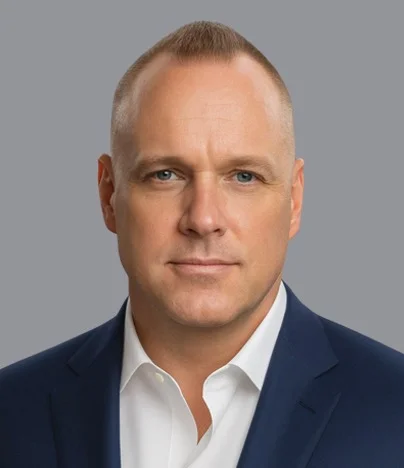
John Maczynski, CEO of PITON-Global, smiling in a navy suit and plaid tie Ralf Ellspermann, Founder and CSO of PITON-Global John Maczynski, CEO · Ralf Ellspermann, CSO
Designed for programs scaling from 5 – 500+ FTEs
FOR BUYERS INUnited States · Canada · United Kingdom · Australiadelivery vetted in the Philippines
A wrong answer key in a quiz teaches thousands of learners the wrong thing. Catch it before it goes live.
PLATFORMS & FRAMEWORKS
LMS platformsAuthoring toolsContent management systemsModeration queuesAccessibility checkersMetadata and tagging toolsSOC 2 Type IICOPPA- and FERPA-aware
BEHIND THE LEARNING CONTENT

Which tasks does EdTech content operations and moderation outsourcing take on?

The work that keeps learning content accurate, organized, accessible and safe. Teams check courses, videos and assessments for errors, broken links and wrong answer keys, tag content with standards, levels and skills, format and upload materials to your LMS, moderate learner forums, comments and submissions under your community rules, check content against accessibility standards, and review materials and user content for child-safety and privacy rules. Subject experts and editors approve academic content. Learner and educator help desks are on EdTech support outsourcing.

LEARNING CONTENT · 2026

Digital learning platforms publish thousands of lessons, questions and comments. Each one must be right, findable and safe for the learners who see it.

We’ll have 6–10 mid-market Philippine EdTech content teams pass your quality review first.

Course content checked, tagged and published cleanly. Let us introduce the hidden-champion learning-content specialists platforms already use. Vetted in 48–72 hours. Free for buyers, no obligation.

    STACK FIT

    Who outsources EdTech content operations, and where quality slips.

    EDTECH CONTENT OPERATIONS · TEAMS WE SUPPORT

    Teams that outsource EdTech content operations and moderation.

    Learning companies that publish digital content at scale and host learner communities, and need content checked and spaces moderated without slowing releases.

    ✓K-12 curriculum and learning apps
    ✓Higher education and online program managers
    ✓Language learning apps
    ✓Test prep and assessment providers
    ✓Corporate learning and upskilling platforms
    ✓MOOC and creator course platforms
    EDTECH CONTENT OPERATIONS · ENGAGEMENT MODEL

    How the team plugs in

    Content moves through QA checklists before release; community queues are worked by severity around the clock. Editors and subject experts approve anything academic, and moderators follow your written policies.

    STEP 1CheckContent reviewed against QA checklists.
    STEP 2TagStandards, levels and skills applied.
    STEP 3ModerateLearner posts and submissions reviewed.
    STEP 4AuditAccessibility and compliance checked.
    GENERALIST VS. SAAS-NATIVE TEAM

    Generalist BPO vs. a SaaS-native EdTech content team.

    Where ad hoc author checks and a dedicated content and moderation team differ.

    DIMENSIONGENERIC PROVIDERPITON-GLOBAL-VETTEDWHY IT MATTERS
    AssessmentsAnswer keys trustedEvery key and explanation checkedFewer wrong answers live
    MetadataTagged inconsistentlyStandards and skills applied by ruleBetter search and recommendations
    CommunityReviewed when reportedModerated by severity, 24/7Safer learner spaces
    AccessibilityChecked at audit timeWCAG checks before releaseCompliant, usable content
    Child safetyGeneral rulesUnder-13 and student privacy rules appliedLower compliance risk
    ReportingItems reviewedErrors found by course and authorBetter content quality
    FOR EDTECH CONTENT & TRUST LEADERS
    Learners trust what your platform teaches them. Your content team should make sure it deserves that trust.

    In 48–72 hours you get 6–10 providers already running content QA, tagging, accessibility checks and moderation for learning platforms — free.

    VETTED PROVIDERS HOLDSOC 2 Type II · COPPA- and FERPA-aware · Moderator wellness programs
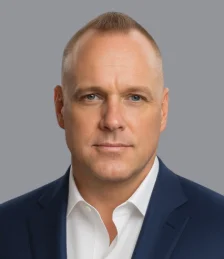
    John Maczynski, CEO of PITON-Global
    John Maczynski
    CEO · he takes the call himself
    +1 402-598-8740

      Free, no obligation. Your details go to John — nobody else.
      THE QUEUES

      Four queues, one EdTech content operations team.

      Most platforms start with content QA or community moderation, then add tagging and accessibility checks.

      Course and assessment QA

      Check lessons, videos and assessments for errors, broken links, formatting and wrong answer keys before release.

      Metadata, tagging and publishing

      Tag content with standards, grade levels and skills, format materials and upload them to your LMS or CMS.

      Learner community moderation

      Review forum posts, comments, messages and submissions under your community rules, and escalate safety concerns fast.

      See content moderation →
      Accessibility and compliance checks

      Check content against WCAG, review captions and alt text, and screen materials and user content for child-safety and privacy rules.

      Video editor cutting footage on two screens at a color console, the lesson content an edtech operations team reviews
      EDTECH CONTENT OPS & MODERATIONCourse content reviewed, learners kept safe.
      GOING DEEPER

      EdTech content operations and moderation outsourcing in the Philippines

      EdTech content operations and moderation outsourcing to the Philippines gives learning platforms a team for the content behind every lesson. Platforms publish thousands of videos, lessons and questions, often from many authors, and host forums where learners talk and share work. Each item must be accurate, tagged so learners can find it, accessible to everyone and safe for the people who see it.

      The Philippines has a large, English-fluent graduate workforce, including many former teachers, and experienced content moderation teams. Providers in Manila, Cebu and Davao already support US, UK and Australian learning platforms around the clock. For the wider picture, see our guides to AI content moderation and content moderation.

      CONTENT THE TEAM HANDLES
      Lessons and videosQuizzes and question banksCourse metadataForum postsLearner submissionsCaptions and transcripts
      Right, findable, accessible and safe, before it reaches a learner.

      Course QA, assessments and metadata

      Content QA follows a checklist: spelling and formatting, broken links and media, correct answer keys and explanations, and consistency with your style guide. Errors go back to authors or editors with clear notes. Subject experts approve anything academic.

      Metadata makes content useful. The team tags lessons and questions with standards, grade levels, skills and difficulty, so search and recommendations work and teachers can find what they need.

      CHECKED BEFORE RELEASE
      Spelling and formattingLinks and mediaAnswer keysExplanationsStyle guide
      02 / 09

      Learner community moderation and child safety

      Learner forums, comments and submissions need moderation that matches the audience. Moderators review content under your community rules, remove harmful material and escalate safety concerns, such as self-harm or grooming signals, to your trust team immediately.

      Rules differ for young learners. In the US, COPPA governs personal information from children under 13, and FERPA protects student education records held by schools and their service providers. Moderators are trained on your policies under these rules and work in secure environments.

      ESCALATED IMMEDIATELY
      Self-harm signalsGrooming or exploitationBullyingPersonal information sharedThreats
      EDTECH CONTENT · EXCEPTION MAP

      The content review queue

      Every flag lands in one queue. Each type has a set action and an owner.

      Flag typeActionOwner
      Course or assessment errorCorrect and republish against the sourceContent QA
      Missing metadata or tagsTag to your taxonomy before publishingContent operations
      Learner post breaks community rulesRemove or restrict under your policyModerators
      Possible child safety issueEscalate immediately under your protocolYour trust and safety lead
      Accessibility gapAdd captions, alt text or fix the structureContent QA

      Content migration and platform launches

      Moving courses to a new learning platform or launching a new product involves migrating content, rebuilding quizzes, fixing broken links and media, mapping metadata and testing every module. Content operations teams run these migrations, check each item against the source and log issues for authors. Rushed migrations leave learners with broken courses.

      See data entry and processing for large content imports and platform integration support for platform configuration.

      CHECKED FOR EVERY MODULE
      Content transferQuiz rebuildLinks and mediaMetadata mappingModule testing
      04 / 09

      Localization and translation review

      EdTech products sold in several markets need localized content: translated text, adapted examples, local curriculum standards and culturally appropriate images. Review teams check translations for accuracy and tone, flag examples that do not fit the market and verify that assessments still measure the same skills after translation.

      See multilingual back-office for document work in other languages and multilingual support for learner support.

      REVIEWED BY MARKET
      Translation accuracyToneLocal examplesCurriculum standardsAssessment equivalence

      AI-generated content review

      EdTech companies increasingly use AI to draft questions, explanations, feedback and summaries. Human reviewers check AI-generated content for accuracy, age-appropriateness, bias and alignment with learning objectives, correct errors and log patterns so prompts and models improve. Unreviewed AI content can teach students wrong answers.

      See AI verification for human review of AI outputs and LLM training and fine-tuning for improving models with reviewer feedback.

      CHECKED ON EVERY AI DRAFT
      AccuracyAge-appropriatenessBiasLearning objectiveError patterns
      06 / 09

      Copyright, licensing and content rights

      Courses use images, videos, readings and third-party materials that must be licensed for the intended use. Content operations teams track rights for each asset, check licenses before publishing, replace materials when licenses expire and respond to takedown requests. Rights problems can force courses offline.

      See legal services for counsel coordination and contract management for tracking license terms.

      TRACKED FOR EVERY ASSET
      License typePermitted useExpiry dateAttributionTakedown requests

      Learner feedback and content improvement

      Learners report errors, confusing questions and broken content through feedback tools and support tickets. Content teams triage reports, fix errors quickly, route substantive questions to subject experts and track which content generates the most complaints. Item analysis on assessments shows questions that are too easy, too hard or misleading.

      See education outsourcing for learner support and EdTech outsourcing for broader EdTech operations.

      TRIAGED EVERY DAY
      Error reportsConfusing questionsBroken contentExpert routingItem analysis
      08 / 09

      Choosing an EdTech content operations partner

      When you compare vendors, ask about learning platform experience, content QA methods, child safety and moderation training, accessibility checking, AI content review and subject expert access. Ask for sample QA checklists and moderation reports.

      Vetted mid-sized Philippine providers usually start EdTech content programs with 3 to 25 people and report content defects found, fix turnaround, moderation response time, accessibility issues resolved and learner feedback trends. See the technology and SaaS hub.

      ASK EVERY VENDOR FOR
      Platform experienceQA methodsChild safety trainingAccessibility checksAI content review

      Accessibility and the metrics that matter

      Accessible content is both a legal and a learning issue. The team checks lessons and documents against WCAG 2.1 or 2.2 AA, reviews captions and transcripts, writes or checks alt text and flags color, contrast and navigation problems. Recent US Department of Justice rules require state and local government web content, including public schools and colleges, to meet WCAG 2.1 AA, which affects their vendors too.

      Vetted mid-sized Philippine providers usually start EdTech content programs with 5 to 25 people and report errors found per course, release turnaround, tagging coverage, moderation response times, accessibility issues fixed and moderator wellness measures.

      MEASURED EVERY WEEK
      Errors foundRelease turnaroundTagging coverageModeration response timeAccessibility issues fixed
      PRICING TOPOGRAPHY · 2026 RATE CARD

      2026 role rates, hourly and fully loaded

      CORE ROLERATE (USD/HR)OPERATIONAL PROFILETIER
      Content QA specialist$8–$12Errors, links, answer keys and formatting.R
      Metadata and tagging specialist$8–$12Standards, levels, skills and search tags.R
      Learner community moderator$6–$10Forums, comments and submission review.R
      Accessibility QA analyst$12–$16WCAG checks, captions and alt text.S
      Team lead / QA$14–$16Policy calibration, audits and client updates.LEADERSHIP

      Ask each vendor to price against your content volume, release cadence and community activity. Rates confirmed per engagement.

      Scope my EdTech content team →
      WHERE HAND-OFFS BREAK

      Two hand-offs that slow outsourced EdTech content operations and moderation.

      Both are fixable before go-live.

      FRICTION POINT 01 · THE WRONG ANSWER KEY
      Assessment errors found by learners
      When answer keys or explanations are wrong, learners lose trust and teachers complain publicly.
      AUDIT BEFORE SIGNING: Ask the vendor how they check assessments and what their error rate is.
      FRICTION POINT 02 · THE UNMODERATED FORUM
      Learner spaces reviewed only after reports
      Young learners need safe spaces. Waiting for reports leaves harmful content up too long.
      AUDIT BEFORE SIGNING: Ask how the vendor staffs moderation and how fast they act on safety issues.
      HONEST LIMITS

      Where outsourcing EdTech content operations and moderation doesn’t pay off.

      01
      Curriculum design and academic approval.
      Subject experts and editors own academic content.
      02
      Grading and academic integrity decisions.
      Instructors decide grades and misconduct cases.
      03
      Legal compliance positions.
      Your counsel sets COPPA, FERPA and accessibility policy.
      IN THE TECHNOLOGY CLUSTER

      EdTech content operations in the SaaS stack.

      This page covers content QA and moderation for learning platforms. Learner and educator support desks and general moderation have their own pages.

      THIS PAGE
      EdTech content operations and moderation

      Content QA, tagging, learner moderation and accessibility checks.

      EDTECH
      EdTech support

      Learner and educator support and LMS help.

      EdTech support →
      MODERATION
      Content moderation

      Moderation of user-generated content across platforms.

      Content moderation →

      Also serving: EdTech content operations sit in our Technology & SaaS hub under EdTech outsourcing. Related pages: content moderation, education outsourcing and trust and safety.

      Related specialist pages: SaaS renewals and expansion.

      QUESTIONS FROM SAAS OPERATORS

      What EdTech leaders ask before they outsource content operations.

      Straight answers to the questions that decide an EdTech content operations engagement, from the principals who run them.
      Do offshore reviewers approve academic content?+
      No. They check quality and flag issues. Subject experts and editors approve academic content.
      Can they moderate communities with children?+
      Yes, under your policies and child-safety rules, with immediate escalation of safety concerns.
      Do they check accessibility?+
      Yes. Content is checked against WCAG, including captions, alt text, contrast and navigation.
      Can they tag content to standards?+
      Yes. Teams tag lessons and questions with standards, grade levels and skills.
      What does EdTech content operations cost?+
      Indicative 2026 rates are $6–$10 per hour for moderators, $8–$12 for content QA and tagging specialists and $12–$16 for accessibility analysts.
      Can they migrate courses to a new platform?+
      Yes, with every module checked against the source and issues logged for authors.
      Do they review translated content?+
      Yes, for accuracy, tone, local examples and assessment equivalence.
      Can they review AI-generated questions?+
      Yes, for accuracy, age-appropriateness, bias and learning objectives.
      Do they track content licenses?+
      Yes. Rights are tracked per asset, with expiring materials replaced.
      How do they handle learner error reports?+
      Reports are triaged daily, errors fixed and substantive questions sent to subject experts.
      FOR EDTECH CONTENT & TRUST LEADERS

      Keep learning content right and safe.

      Tell us your content volume, audiences and community features. John will bring a shortlist of vetted Philippine providers already supporting learning platforms, free for service buyers.

      WHAT YOU RECEIVE
      ✓A vendor-neutral shortlist of 6–10 Philippine providers already supporting learning platforms.
      ✓Delivered in 48–72 hours, matched to your content volume, audiences and community features.
      ✓A security & compliance pre-screen — SOC 2 Type II · COPPA- and FERPA-aware · Moderator wellness programs.
      TELL US YOUR PRIMARY NEED
      Course and assessment QAMetadata, tagging and publishingLearner community moderationAccessibility and compliance checksFull stack
      Vendor-neutral · free for service buyers · 24-hour reply
      Authorship, Review & Benchmark Verification
      Authored by:
      Ralf Ellspermann, Founder and CSO of PITON-Global
      Ralf Ellspermann
      Chief Strategy Officer of PITON-Global
      Two Decades Building and Advising Award-Winning Philippine BPO Operations

      Ralf grades Philippine providers on operating data, compliance evidence and leadership depth before any benchmark reaches this page.

      View full bio  →
      Verified by:
      John Maczynski, CEO of PITON-Global
      John Maczynski
      CEO of PITON-Global
      Former Global EVP of the World’s Largest Contact Center · Four Decades of Outsourcing Experience

      John reviews the pricing and contract architecture behind each program, keeping this page grounded in live vendor terms.

      View full bio  →
      Last Reviewed & Verified · October 18, 2026

      Re-audited as rates, regulation and vendor capacity change. Every benchmark on this page is held to PITON-Global’s internal vetting standard.