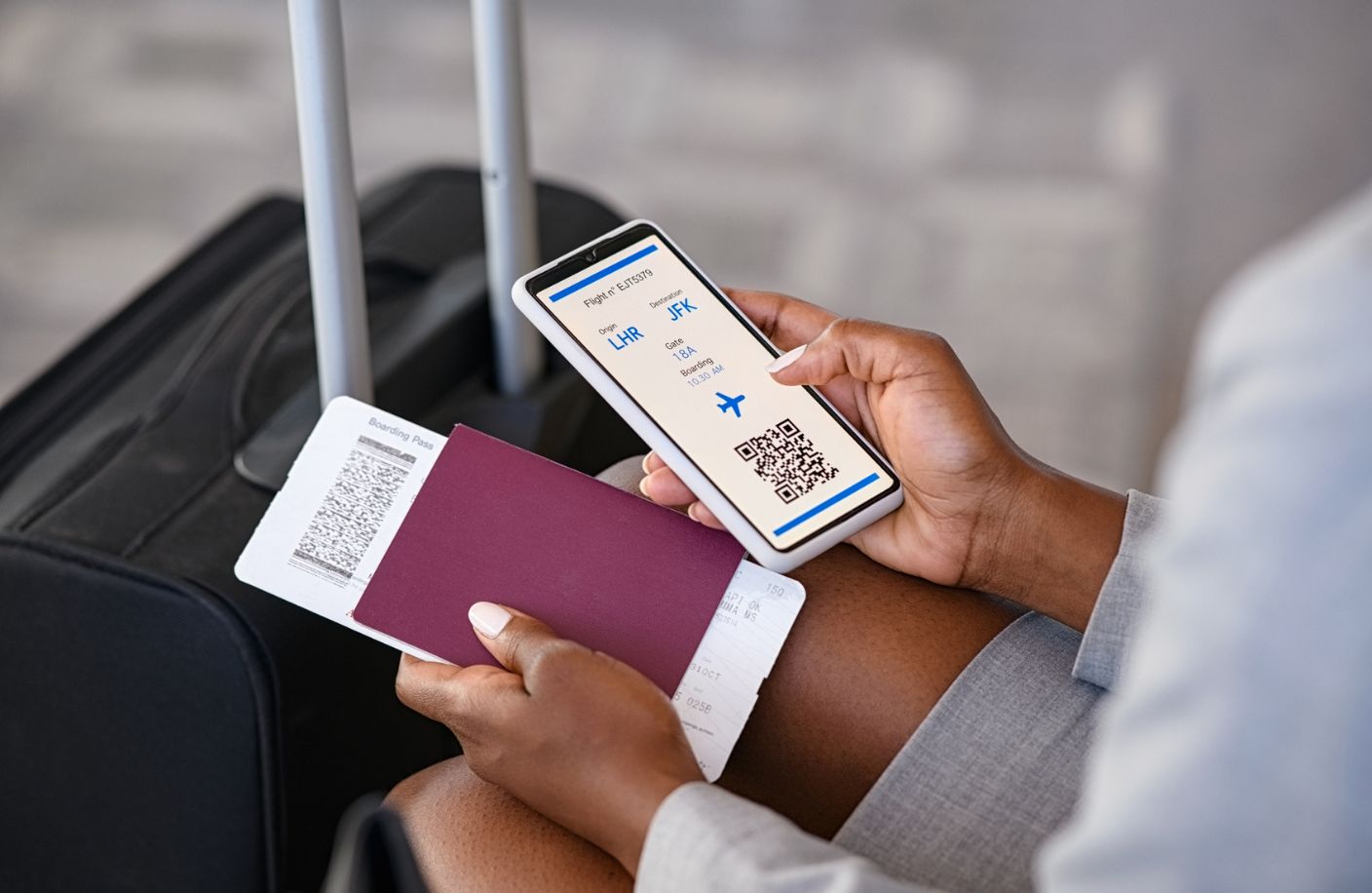

Expedia, Marriott and TripAdvisor run three very different customer operations, and each one maps neatly onto a desk that a North American travel brand can staff with storm-ready traveler support staffed from Manila. An online travel agency lives on booking changes, a hotel group on reservations and loyalty, and a review platform on trust and moderation. This guide breaks down what each model asks of a support team, which parts a partner in the Philippines should take on, and where the real test sits: the night a weather system cancels a bank of flights and every affected traveler reaches out at once.
A note on scope before the detail. None of the three companies publishes a full list of its service vendors, and nothing here describes their contracts or presents them as PITON-Global clients. The models are useful precisely because they are visible: anyone who has changed an Expedia itinerary, called a Marriott reservations line or flagged a TripAdvisor review has seen the work from the customer’s side.
Travel brands ready to build their own model can use our page on travel outsourcing in the Philippines, which covers traveler support, disruption and loyalty and what a desk must do when an itinerary breaks.
Why three service models are worth studying
They cover the three jobs almost every travel brand has to do well: sell and change trips, look after guests before and during a stay, and protect the trust that makes people book in the first place. Most airlines, OTAs and hotel groups do some of all three, even if one dominates.
Splitting the work this way makes an offshore decision far clearer. Instead of asking whether to “outsource customer service,” a buyer can ask which of the three desks carries the most volume, which needs the deepest system access and which does the most damage when it fails. The answers usually point to a phased plan rather than a single handover.
The talent base to staff those desks is large and still growing. The IT and Business Process Association of the Philippines reported 1.9 million industry workers in 2025, up from 1.82 million in 2024, and revenue above $40 billion, according to Philstar’s January 2026 report on IBPAP’s figures. Travel and hospitality teams draw on that same pool, which is why hiring for a seasonal ramp is realistic rather than aspirational.
The OTA model: volume, changes and refunds
An online travel agency’s service load is driven by changes, not new sales. Once a trip is booked, almost every contact is about moving it, fixing it or getting money back, and the agency sits between the traveler and dozens of suppliers whose rules all differ.
The original version of this article mapped an Expedia-style operation to three functions: customer support, reservations and booking management, and back-office processing. That split still holds, and each part has a clear offshore shape.
- Customer support covers booking questions, change and cancellation requests, and refund or credit status across flights, hotels, cars and packages.
- Reservations and booking management covers confirming, modifying and re-pricing itineraries, and chasing a supplier when a hotel has no record of a guest or an airline has moved a departure.
- Back-office processing covers ticketing queues, schedule-change notices, fare and commission reconciliation, and refund and chargeback files.
The back-office layer is where Philippine teams often start, because the work is rule-based, measurable and invisible to the traveler when it goes right. The case for moving that layer first is laid out in how travel back-office work is being automated and run offshore.
Rebooking is worth more than refunding
When an airline cancels, the agency’s cheapest outcome is a traveler who stays on a new itinerary. U.S. refund rules finalized in 2024 generally entitle a traveler to a cash refund when a flight is canceled or significantly changed and they do not accept an alternative, so every traveler who cannot get through to rebook is revenue that walks out the door. An agent who knows the fare rules and the alternatives can keep the trip; an order-taker can only process the refund.
The hotel-group model: reservations, loyalty and the guest record
A hotel group’s service desk protects the relationship more than the transaction. The same guest may stay dozens of times across many properties, so every contact either builds or erodes a loyalty account worth far more than one booking.
The functions the original article tied to a Marriott-style operation were customer service, reservation management, financial services and data management. In practice those break down into four queues a Philippine team can run:
- Central reservations: new bookings, modifications, group blocks and rate questions handled through the brand’s reservation system.
- Guest service: pre-arrival requests, complaints after checkout and service recovery within an agreed authority limit.
- Folio and billing support: disputed charges, deposit questions and corporate billing, worked alongside the property’s finance team.
- Profile and loyalty data: merging duplicate guest records, crediting missing stays and keeping preferences accurate so the next agent sees the full picture.
The data queue is the one hotel groups underrate. A guest who has to repeat an allergy, an accessibility need or a room preference on every call has been told, politely, that the brand does not remember them. How a clean guest record turns into a better stay is covered in designing guest journeys with an outsourced CX team.
The review-platform model: support and content moderation
A review platform sells trust, so its service desk has two customers: the travelers who read and write reviews, and the hotels, restaurants and tour operators whose listings depend on them. The original article paired a TripAdvisor-style operation with customer support and content moderation, and that pairing still describes the job.
Moderation is language work before it is policy work. A reviewer checks whether a post is genuine, whether it breaks the rules and whether a harsh review is honest criticism or an attempt to damage a competitor. That calls for strong reading comprehension and a feel for North American idiom and sarcasm. The Philippines ranks 28th globally on the EF English Proficiency Index, 2025 edition, and years of serving U.S. and Canadian customers give Filipino reviewers a working ear for tone that rule-based filters lack.
The business-owner side is closer to account management: helping a property claim its listing, respond to reviews and understand why a post was removed. It rewards patient, written communication more than speed, which suits email and chat queues staffed in Manila and Cebu.
What all three share: the storm test
Every one of these models fails the same way: a sudden spike in contacts that a fair-weather desk cannot absorb. A hurricane, an air-traffic outage or a system failure turns a steady queue into a flood within the hour, and the difference between a brand that keeps its travelers and one that loses them is decided in the first few hours.
A disruption-ready desk differs from an order-taking one in four practical ways:
- Agents are trained on the GDS and on supplier waiver rules, so they can rebook rather than simply cancel.
- Cross-trained staff from quieter queues can be moved onto disruption work within the shift.
- A written playbook sets who can waive fees, upgrade or compensate, and up to what limit.
- The team runs drills before storm season, not during it.
Time zones help. A team in the Philippines working its daytime covers the North American night, when overnight cancellations pile up and travelers wake to broken itineraries. The same discipline applies behind the scenes: an airline technical helpdesk supporting crew and systems faces its own surge when schedules collapse and crews need reassigning.
How to build a desk on these models
Start from your contact reasons, not from a Philippine vendor’s service menu. The brands that get the most from an offshore team decide what each desk owns before they decide who staffs it.
- Sort a year of contacts into sell, change, care and trust, and note which spike during disruption.
- Write an authority matrix: what an agent may refund, waive, rebook or compensate without escalation.
- Define system access, including GDS, reservation system, CRM and payment tools, and the security controls that go with it.
- Agree a surge plan with named cross-trained agents and a trigger for activating it.
- Vet providers on disruption performance, not on a fair-weather demo.
The last step is where most selections go wrong. PITON-Global’s seven-step vendor vetting framework starts from roughly 1,000 providers in the country and passes about one in ten, then stress-tests the survivors on real workflows before a shortlist is drawn up. For travel buyers, that stress test should include a simulated cancellation wave.
Frequently asked questions
Do these three brands use Philippine service teams?
Large travel companies rarely publish complete vendor lists, so treat any roster of their suppliers with caution. What is public is the shape of their service operations, and that is what this guide uses. None of the three is presented here as a PITON-Global client.
Which travel support functions should move to the Philippines first?
Rule-based back-office work, such as schedule-change queues, refund files and reconciliation, is usually first because it is easy to measure. Email and chat support follow, then voice, with disruption rebooking added once agents have proven their GDS and waiver-rule skills.
Can a team in the Philippines really handle GDS rebooking?
Yes, if you hire and train for it. GDS-certified agents who understand fare rules and airline waivers can rebook complex itineraries; generalist agents cannot. Ask any provider to show certification records and to rebook a sample itinerary during evaluation.
How long does a new travel desk take to launch?
A vetted provider can typically launch operations in under 8–10 weeks through the vetting process described above, covering recruitment, system access and training. Build in time for a disruption drill before the first storm season, not after it.